When Virtual Studios Meet Dream Worlds: Parallels in Game Design Tools from Management Sims to Physics-Based Adventures
Written by Sam Wagner · Jun 28, 2026
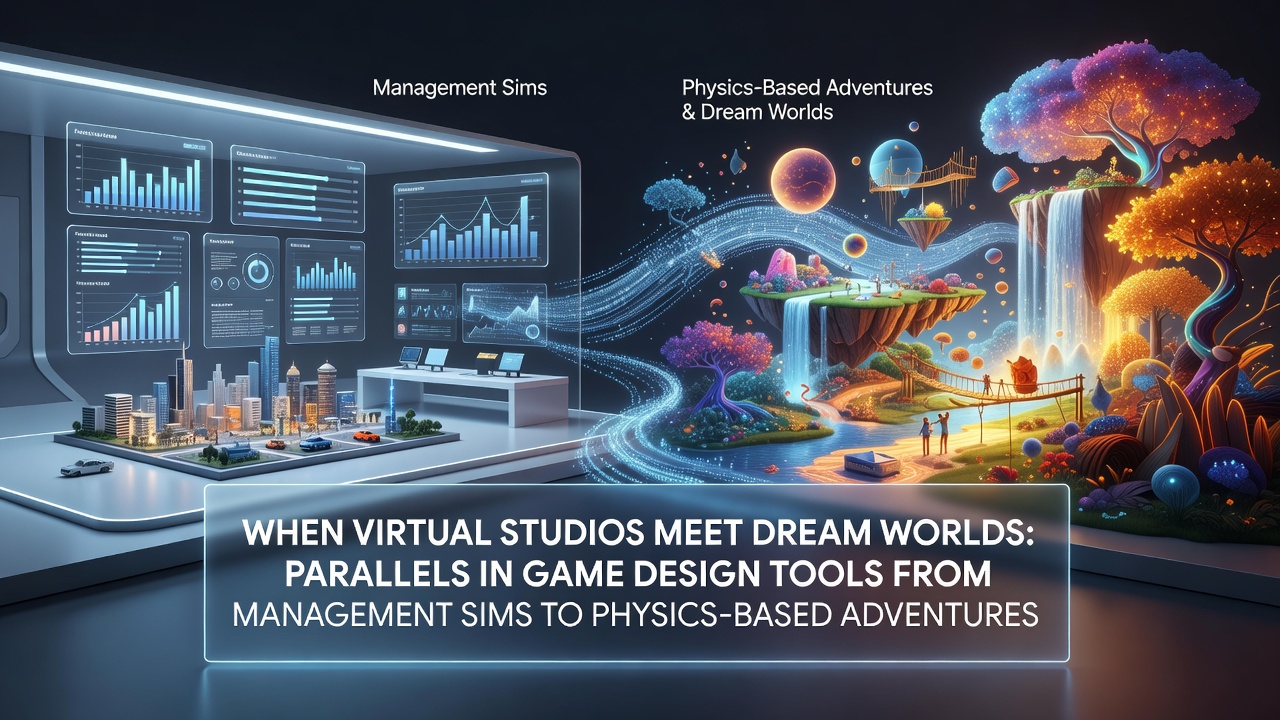
When Virtual Studios Meet Dream Worlds: Parallels in Game Design Tools from Management Sims to Physics-Based Adventures
Game development tools across genres reveal consistent patterns in how creators manage resources and build interactive experiences; management simulations emphasize studio operations while physics-based adventures focus on environmental construction yet both rely on iterative prototyping systems and modular asset handling that streamline complex workflows. Researchers at institutions in North America and Europe have documented these overlaps through comparative analyses of design software interfaces and user interaction logs.
Core Mechanics in Studio Management Simulations
Management simulations equip players with dashboards that track budgets, staff assignments and project timelines while algorithms adjust outcomes based on decisions made during each development cycle; these systems often incorporate progress bars and priority queues that mirror real production pipelines used by professional teams. Data from industry reports compiled by the Entertainment Software Association in 2025 shows steady growth in simulation titles that incorporate such layered decision trees allowing players to experiment with hiring strategies and marketing campaigns without real-world financial risk.
Designers integrate feedback loops where staff morale metrics influence output quality and unexpected events like hardware delays force adaptive planning; these elements create dynamic environments where players refine their approaches over multiple play sessions. Observers note that the underlying simulation engines prioritize numerical balancing and randomization parameters to generate varied scenarios each time a new project begins.
Construction Systems in Physics-Driven Adventures
Physics-based adventures supply creators with toolsets for placing objects that obey gravity, momentum and collision rules while level editors include snap grids and material selectors that speed up the assembly of interactive scenes. Developers behind these platforms have refined constraint solvers and joint mechanisms so users can chain mechanisms together into functional contraptions that respond realistically to player input.
Studies conducted by academic groups in Australia and Canada indicate that accessibility features such as undo histories and template libraries lower the barrier for newcomers yet still support advanced scripting for those seeking deeper customization. These environments reward experimentation because small changes in object placement can produce large variations in gameplay outcomes.
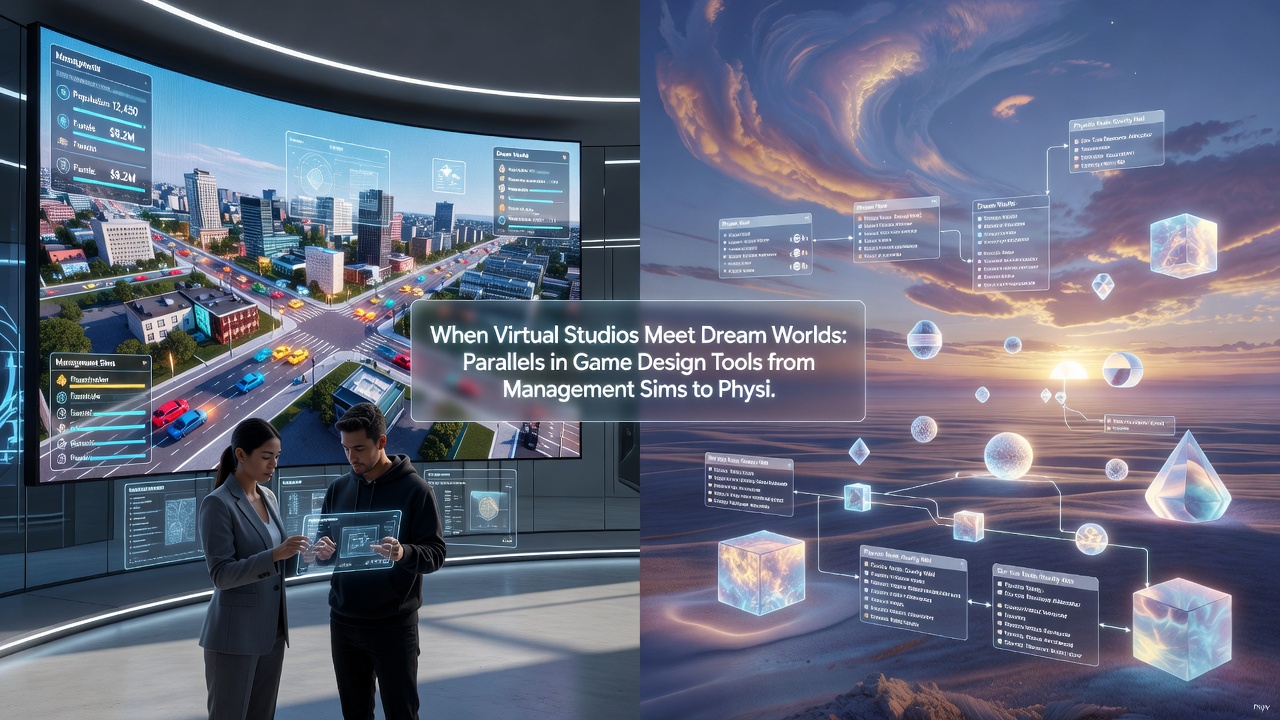
Shared Design Philosophies and Tool Overlaps
Both categories employ modular building blocks that users combine in sequence; management sims treat employees and contracts as interchangeable components while physics adventures treat joints and triggers the same way. This structural similarity enables creators to transfer skills between genres because the cognitive tasks of prioritization and spatial reasoning remain comparable across interfaces. Reports released by the Interactive Software Federation of Europe in early 2026 highlight how tool parity contributes to cross-training opportunities for aspiring developers who practice in one domain before moving to another.
Iteration cycles appear in both formats through repeated testing phases where users adjust variables and observe results; simulation titles display outcome predictions that update in real time and physics editors provide live simulation previews that flag unstable constructions. Game engines supporting these experiences commonly expose similar APIs for custom extensions allowing community members to create additional assets or automation scripts that integrate directly into the core workflow.
Industry Trends Emerging in Mid-2026
Conferences scheduled for June 2026 are expected to showcase unified editor frameworks that blend management analytics with physics testing modules so developers can prototype both business models and mechanical interactions within a single workspace. Trade organizations tracking adoption rates report increased interest in cloud-based collaboration features that let remote teams review changes to staff allocations and level layouts simultaneously.
Version control systems already common in professional pipelines are appearing more frequently inside consumer tools; these additions let users branch experimental ideas without overwriting established projects. Figures released by Canadian digital media research centers confirm that hybrid tool adoption correlates with faster prototyping speeds across independent studios experimenting with mixed-genre concepts.
Technical Foundations Supporting Cross-Genre Parallels
Underlying both tool categories are graph-based data structures that represent relationships between entities whether those entities are virtual employees or physical objects; pathfinding routines and dependency solvers operate on similar principles in each case. Engine documentation from multiple vendors describes how event systems trigger updates across connected nodes allowing changes in one area to propagate automatically to related components.
Asset pipelines standardize import formats and metadata tagging so creators can reuse models, sounds and scripts across different project types without reformatting. This standardization reduces friction when teams transition between management-focused prototypes and physics-heavy demonstrations during early concept phases.
Conclusion
Parallels between management simulation tools and physics adventure editors demonstrate how core design principles such as modularity, iteration and real-time feedback transcend individual genres; these shared foundations continue to shape accessible creation platforms that serve both hobbyists and professionals. Ongoing developments tracked through 2026 suggest further convergence as unified frameworks gain wider use across global development communities.