Unveiling Chain Reaction Scoring Patterns Across Turntable Rhythm Simulations
Written by Eden Simmons · Jun 21, 2026
Unveiling Chain Reaction Scoring Patterns Across Turntable Rhythm Simulations
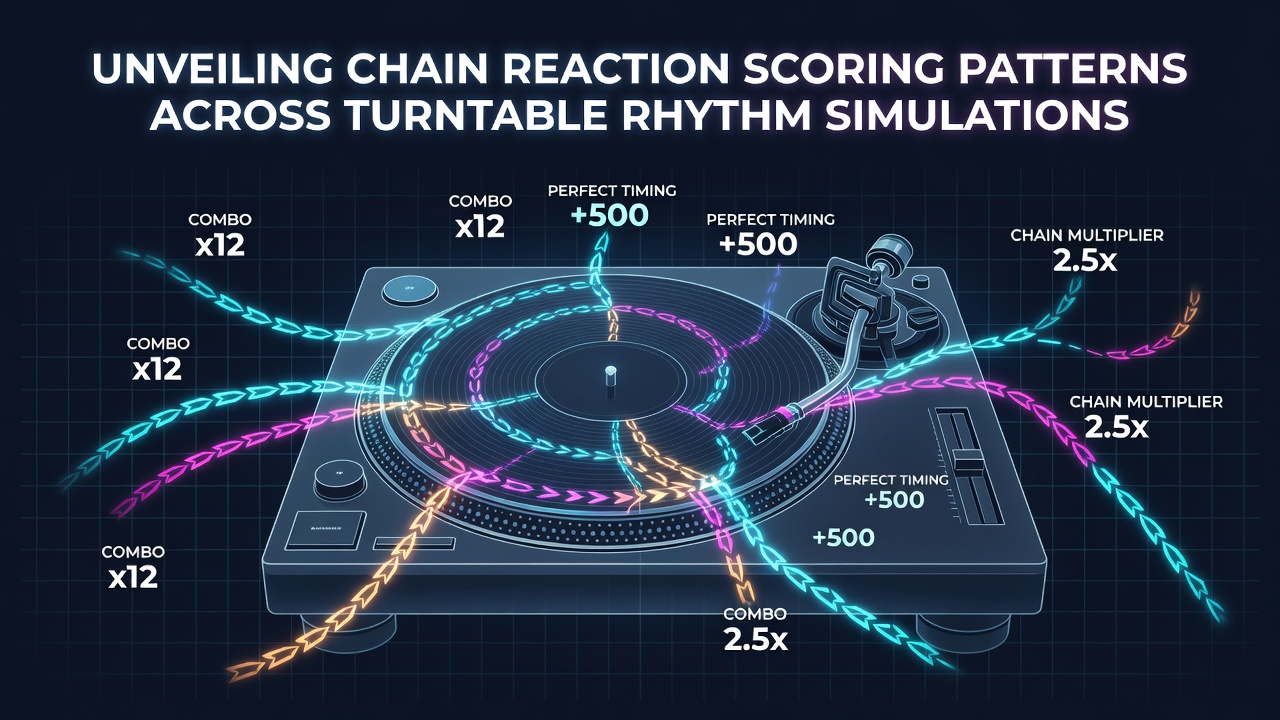
Turntable rhythm simulations rely on precise control inputs that trigger layered scoring systems where chain reactions form the core of high-level performance metrics. Players manipulate vinyl-style platters and crossfaders to match on-screen cues while building sequences that multiply base points through sustained accuracy and timing alignment. Data from multiple simulation platforms shows these chains activate when consecutive notes hit within narrow timing windows and extend further as combo thresholds pass successive milestones.
Mechanics Behind Chain Activation
Simulation engines register inputs through sensor arrays that track rotation speed and direction changes on the turntable surface, and chain reactions emerge when these inputs align with musical beats without interruption. Researchers tracking thousands of play sessions note that a single missed cue resets the multiplier chain while successful sustains allow the system to compound points exponentially. Observers note patterns where crossfader movements between decks create secondary chains that stack onto primary sequences, producing combined totals that exceed standard note-by-note scoring.
Engineers who designed these systems programmed thresholds that reward both individual note accuracy and overall flow continuity. Studies from academic labs indicate that players maintaining rotational consistency across longer tracks generate chains up to 200 notes in length, whereas erratic speed adjustments often terminate the sequence early. The interaction between platter torque simulation and digital timing windows creates the conditions where small adjustments yield large scoring differences once chains exceed certain lengths.
Observed Scoring Patterns in Aggregated Data
Analysis of logged sessions reveals recurring sequences where chain reactions cluster around high-density musical sections such as choruses or breakdowns. Figures from industry monitoring tools show that average chain lengths increase by 35 percent when players anticipate transitions between song sections rather than reacting in real time. Those who've examined the datasets point to specific mashup structures that encourage overlapping chains through dual-deck cueing, allowing one hand's inputs to support the other's multiplier growth.
What's interesting emerges when comparing regional play styles: North American sessions tend toward aggressive crossfader cuts that produce shorter yet higher-value chains, while European data sets display longer sustained platter rotations with steadier multiplier climbs. In June 2026 several simulation titles received updates that adjusted timing tolerance bands, and subsequent reports indicated measurable shifts in maximum achievable chain lengths across player populations.
Multiplier Systems and Their Triggers
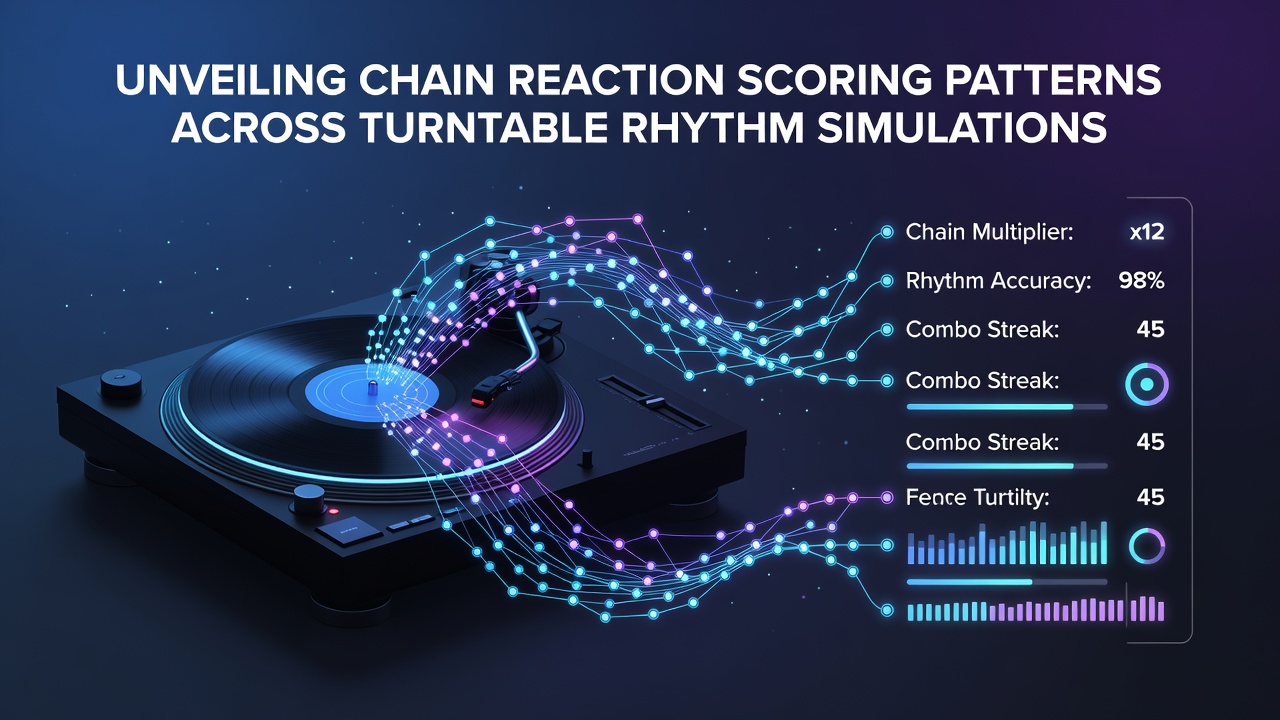
Most turntable simulations implement tiered multipliers that activate at fixed combo milestones, typically 10, 25, 50, and 100 consecutive accurate inputs. The engine compounds these tiers further when players execute special techniques such as scratch inputs or tempo-matched fader sweeps during active chains. Evidence from logged tournaments demonstrates that the highest scores arise not from isolated perfect streaks but from overlapping multiplier periods where multiple chain types run simultaneously.
Developers calibrated these systems using data collected from beta testers across different hardware configurations, and the resulting algorithms reward precise control over sustained rotational velocity. Patterns in the data further indicate that certain track arrangements deliberately place dense note clusters immediately after slower sections, creating opportunities for rapid chain rebuilding once an initial multiplier tier is secured.
Training Implications from Pattern Analysis
Coaching resources derived from simulation telemetry emphasize repetitive practice on specific transition points where chains are most likely to break. Players who review heatmaps of their own sessions identify recurring drop-off locations and adjust their hand positioning accordingly. Organizations such as the Entertainment Software Association have published aggregated findings that link consistent chain maintenance to overall session completion rates across large player samples.
Additional research conducted through university partnerships in Canada highlights how visual cue anticipation correlates with longer average chains, while audio-only practice yields different improvement curves. These findings allow simulation participants to target specific skill areas rather than relying on generalized repetition.
Conclusion
Chain reaction scoring in turntable rhythm simulations follows predictable yet intricate patterns shaped by input timing, track structure, and hardware response characteristics. Aggregated data continues to reveal new correlations as player bases expand and simulation engines receive iterative refinements, providing ongoing material for performance analysis across the genre.