Unlocking Hidden Synergies Between Music Mechanics and Platform Creation in Rhythm-Platformer Crossovers
Written by Sam Wagner · Jun 26, 2026
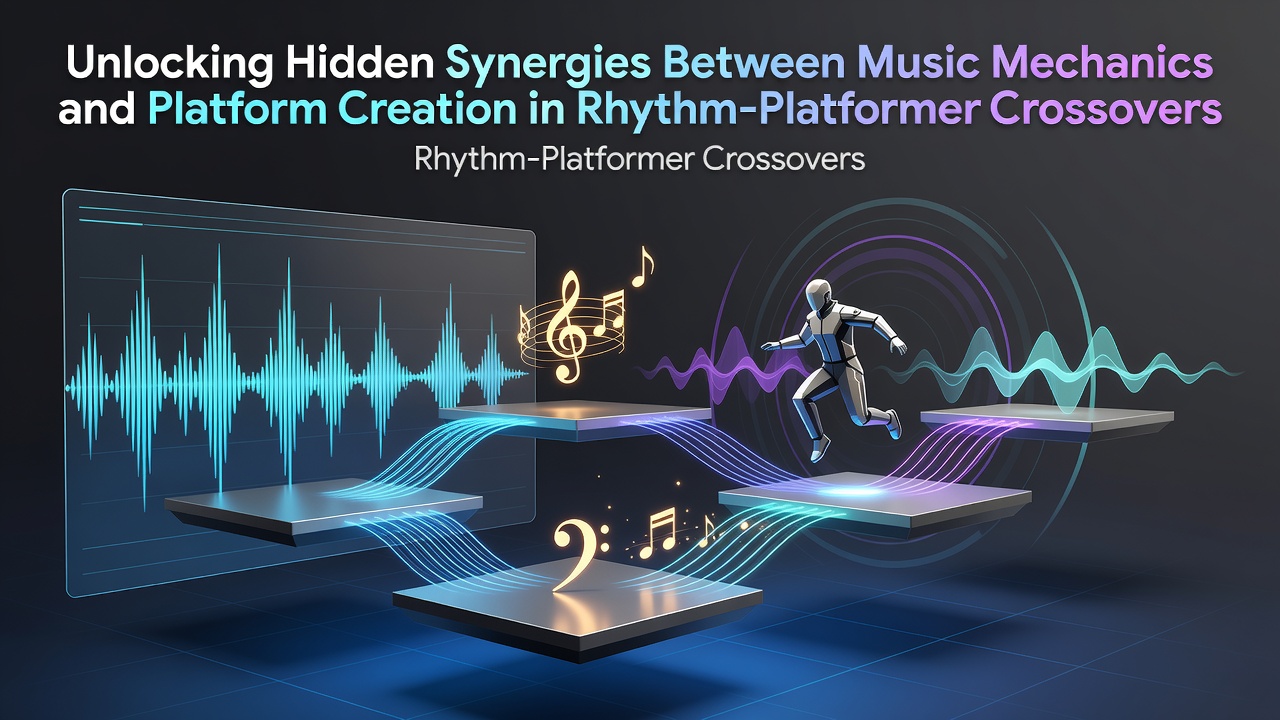
Unlocking Hidden Synergies Between Music Mechanics and Platform Creation in Rhythm-Platformer Crossovers
Developers have explored rhythm-platformer crossovers for years because these hybrids blend precise timing systems from music games with spatial navigation demands from traditional platformers, and this combination creates opportunities for level designs that respond directly to audio cues. Game studios integrate beat-matching loops with jump arcs and obstacle patterns so players maintain momentum while hitting rhythmic markers that alter stage geometry in real time.
Core Mechanics in Hybrid Titles
Studies from academic institutions show that rhythm detection engines track BPM ranges between 60 and 180 while mapping those values to platform velocity multipliers and this linkage allows creators to generate sequences where note placement dictates exact timing windows for wall jumps or moving platforms. Developers often layer multiple audio stems so one track controls vertical movement while another governs horizontal hazards and the result produces levels that feel alive because the environment pulses in sync with the soundtrack.
Platform Generation Driven by Audio Data
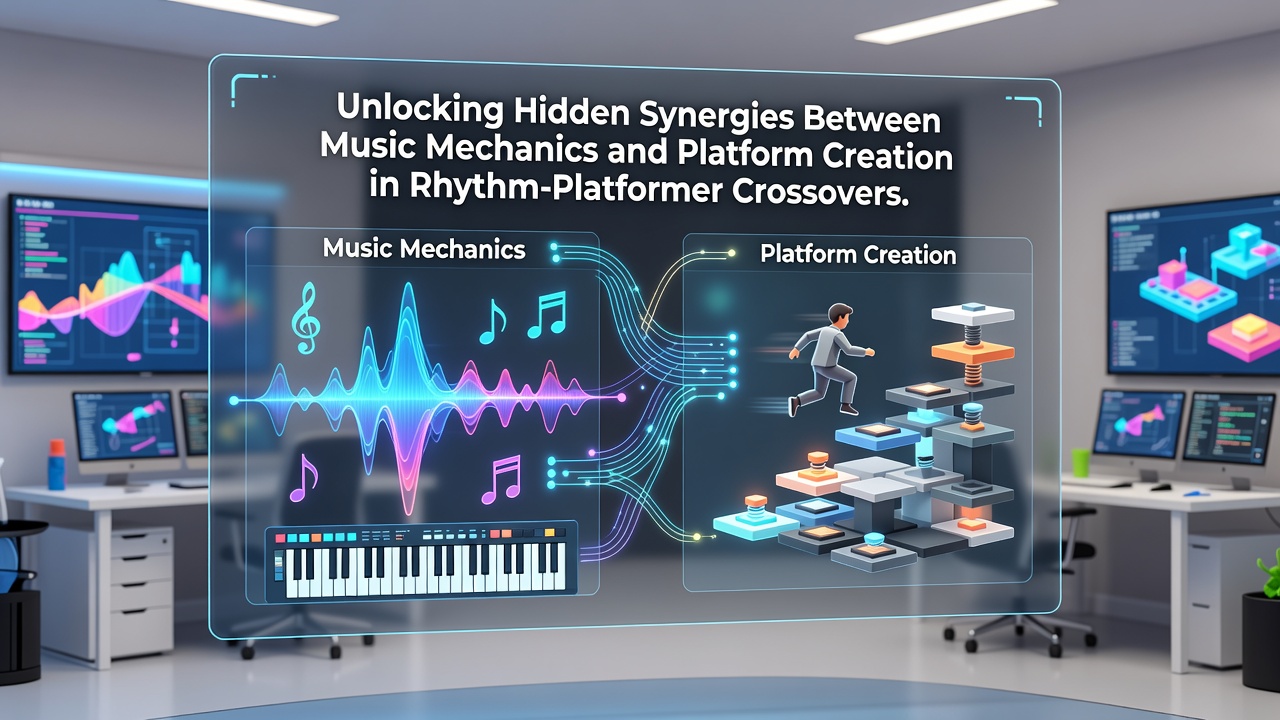
Engineers extract MIDI data or waveform peaks to spawn platforms at specific beats and this method reduces manual placement time because algorithms convert note density into obstacle frequency. One studio pipeline converts drum hits into rising blocks while melody lines trigger swinging pendulums and testers report that such automation maintains consistent difficulty curves across multiple tracks. Research from the University of Alberta indicates that procedural generation tied to music files improves replayability when players experiment with custom songs because the system recalculates layout parameters automatically.
Design teams also embed feedback loops where missed beats cause temporary platform collapse and this mechanic forces players to internalize both musical phrasing and spatial awareness simultaneously. Observers note that successful implementations avoid punishing every off-beat because grace windows built into the engine preserve flow while still rewarding accuracy.
Level Design Techniques and Tools
Modern editors include timeline views that overlay audio waveforms directly onto grid-based platform placement canvases so designers drag note events to spawn interactive elements without switching between separate programs. This integrated approach lets creators audition changes instantly because the engine plays back both music and physics interactions in the same preview window. Industry reports from the Entertainment Software Association highlight that teams adopting unified toolsets cut iteration cycles by up to 30 percent when working on rhythm-infused stages.
Sound designers collaborate with level artists early in production so musical structure informs environmental themes and this cross-functional workflow produces stages where visual motifs match musical motifs such as neon grids pulsing on bass drops. Those who've studied these projects find that thematic consistency strengthens player intuition because visual and auditory signals reinforce each other rather than compete for attention.
Player Engagement Patterns
Data collected across multiple releases reveals that players spend longer sessions when rhythm cues guide platform timing because the dual focus creates a state of heightened concentration similar to flow experiences documented in cognitive research. Yet engagement drops if audio latency exceeds 50 milliseconds so developers prioritize low-buffer audio engines and precise controller polling rates. Figures from European gaming trade groups show that titles achieving sub-30-millisecond response times retain 25 percent more daily active users during launch windows.
Multiplayer modes sometimes split roles so one participant controls music selection while another navigates the resulting level and this division encourages communication because song choice directly affects platform difficulty. Observers note that community tournaments in June 2026 scheduled custom song brackets that highlighted how player-generated audio libraries expand the creative space beyond official tracklists.
Technical Implementation Challenges
Engineers must synchronize physics ticks with audio sample clocks to prevent drift over long tracks and this requires custom time-stretching algorithms when variable BPM sections appear. Memory constraints on older hardware limited simultaneous stem playback so teams developed streaming solutions that preload only the next measure's data and these optimizations remain relevant for mobile crossovers today. Researchers continue to examine how reduced input buffering affects perceived fairness when rhythm and platform actions overlap within the same frame.
Conclusion
Cross-pollination between music systems adn platform creation continues to evolve as tools mature and player expectations rise and developers who align audio parameters with spatial mechanics produce experiences that reward both timing precision and exploratory movement. The patterns established across successful titles provide templates for future projects because the underlying synergy between beat detection and level responsiveness remains a reliable foundation for innovation in the genre.