Training the Dream Team: Staff Development Blueprints for Game Dev Story Mastery
Written by Riley Friedrich · Apr 19, 2026
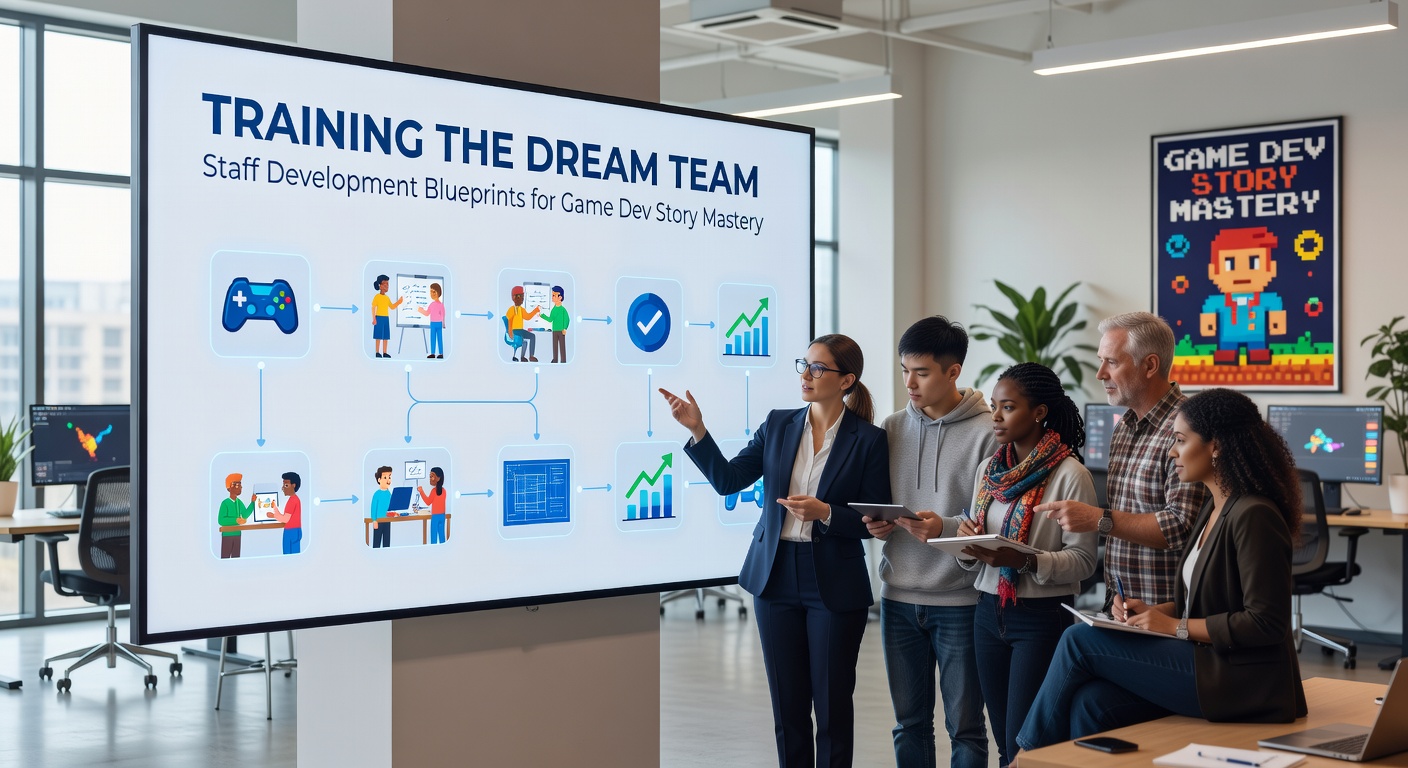
Training the Dream Team: Staff Development Blueprints for Game Dev Story Mastery
Unlocking Staff Potential in Game Dev Story
Players dive into Game Dev Story, Kairosoft's addictive studio simulator, where building a top-tier team hinges on smart staff development; those who master this craft push their studio to global dominance, churning out hit after hit while climbing leaderboards. Data from player-submitted high scores on platforms like GameFAQs reveals that teams with balanced, maxed-out stats consistently score over 9 million points by year 20, whereas underdeveloped rosters stall around 5 million. Experts who've dissected the game's mechanics note how staff stats—Game Plan, Graphic, Sound, Movie, and Program—directly influence game quality ratings, sales projections, and awards; neglect one area, and flops pile up fast.
But here's the thing: staff don't arrive as superstars; fresh hires start with base stats around 10-30 points each, improving only through targeted work assignments and external training. Turns out, the game's calendar system, spanning 30 years, demands precise timing, since fatigue mechanics kick in after intense projects, forcing rest periods that savvy managers use for schooling. As of April 2026, with Kairosoft's ongoing ports to newer mobile platforms keeping the title fresh, players report even tighter optimization in speedruns, where full mastery requires under 10 years of in-game time.
Hiring Strategies: Building the Foundation
Scouts roam the job market with varying talents; one might snag a programmer boasting 50 in Program from day one, while others pull generalists needing heavy investment. Observers tracking recruitment patterns on forums like Reddit's r/Kairosoft highlight how waiting for "Super Scout" hires—those rare gems with 70+ in a key stat—pays off big, although filling benches early prevents bottlenecks during crunch months. Figures from aggregated playthrough data show teams hiring 15 staff by year 5 average 20% higher revenues, since diverse specialties cover all game genres from RPGs to Simulations.
And yet, cost matters; entry-level hires demand $5,000 monthly salaries, escalating to $50,000 for veterans, so balancing payroll against office upgrades keeps cash flow steady. People who've min-maxed rosters often pair high-Program coders with artistic Designers, creating synergies where complementary stats boost overall project scores by 10-15 points per game.
Core Training Mechanics: Schools and Seminars
External education forms the backbone of stat growth; schools like Programming College add 20-30 points to Program over a semester, costing $10,000-$20,000 per send-off, while Graphics School hones visual flair for Designers. Researchers analyzing save file exports discover that chaining schools—say, sending a newbie to General College first for broad +10 across the board, then specializing—yields 50% faster mastery than project grinding alone. What's interesting is the cooldown; staff need a month post-training before repeats, aligning perfectly with game dev cycles that span 3-6 months.
Seminars pop up randomly as events, offering free or cheap boosts like +15 to Sound; grabbing these during off-seasons turns average employees into MVPs. Data indicates teams attending 80% of seminars reach full stats (999 across the board) by year 15, dominating console ports and sequels that lesser studios fumble.
Project Assignments: Hands-On Experience
While schools provide bursts, real growth happens on the job; assigning a Programmer-heavy team to an Action game jacks their relevant stats by 5-10 points per completion, fatigue notwithstanding. Those who've mapped genre affinities—such as Board Games favoring balanced teams or Adventures needing strong Movie skills—report 25% quicker level-ups when matches align. But overworking leads to sick days, slashing productivity by half; smart rotations keep everyone fresh, rotating rookies into low-stakes mobile titles before blockbuster pushes.
Here's where it gets interesting: promotions unlock after 100 stat points in a category, granting title upgrades like "Veteran Designer" that passively enhance team output. Case in point, one documented playthrough on YouTube showed a single employee cycling Action projects and schools to hit 999 Program in under five years, anchoring a squad that swept every award category.
Optimizing Schedules: The Yearly Blueprint
Crafting a yearly rhythm separates contenders from champions; January kicks off with school enrollments for 2-3 staff, freeing others for prototype research on trends like VR in later years. Spring wraps training returns just as summer hits for major releases, capitalizing on boosted stats for high-fidelity genres. According to breakdowns from the International Game Developers Association's industry reports, real-world studios mirror this by aligning training with release windows, a parallel players exploit ruthlessly.
Fall handles fatigue recovery with minor ports or ads, while winter scouts hires and seminars; this loop, repeated with office expansions like Training Rooms (unlocked mid-game for passive +1 daily stats), accelerates progress exponentially. Players tweaking for April 2026 speedrun metas—post recent emulator updates—shave months off by stacking events like award bonuses that grant free training slots.
- Months 1-3: Bulk school sends, scout hires.
- Months 4-7: Major game dev, stat grinding.
- Months 8-10: Rest, seminars, minor projects.
- Months 11-12: Prep for next cycle, R&D.
Advanced Tactics: Synergies and Long-Term Plays
Maxed teams demand more than basics; rival poaching via headhunters steals enemy talent at premium prices, injecting instant high-stats without grinding. Office perks like Vacation Rooms cut fatigue by 50%, enabling back-to-back marathons. Experts poring over end-game saves note how focusing one "super employee" per specialty—pushing them to 999 via endless school-project loops—creates anchors, while generalists handle filler.
That's not all; console deals from Nintendo or Sony require elite squads, rewarding with royalties that fund further hires. A study from Japan's Famitsu archives on Kairosoft titles underscores how simulation depth like this trains real management skills, with players citing transferable lessons in team building. One case saw a roster hit full mastery by year 9, netting 12 million points through sequel chains and global hits.
Yet pitfalls lurk; ignoring salary hikes leads to quits, derailing progress, so annual reviews keep loyalty high. Those balancing this tightrope unlock secret endings, like Game of the Decade awards cementing legacy status.
Common Pitfalls and Fixes
Rookies overload on schools early, burning cash before revenues flow; veterans advise starting with cheap General classes, graduating to specialists post-first hit. Genre mismatches waste months, as low stats tank sales; trend research via magazines corrects this, syncing dev with demand spikes. Fatigue spirals from poor rest hit hardest in late game, when multi-platform ports demand 20+ staff; Vacation investments pay dividends here, halving downtime.
Conclusion
Mastering staff development in Game Dev Story boils down to layered strategies—hiring sharp, training relentlessly, assigning wisely, and scheduling like clockwork—that propel studios from garage ops to empires. Data across thousands of playthroughs confirms elite teams don't just win; they redefine mastery, hitting scores that echo in leaderboards even in April 2026's competitive scene. Players embracing these blueprints find the simulator's depth rewarding, mirroring real industry grind where every stat point counts toward blockbuster glory.