Tracing the Development of Community Design Instruments in Interactive Entertainment Platforms
Written by Olivia Washington · Jul 24, 2026
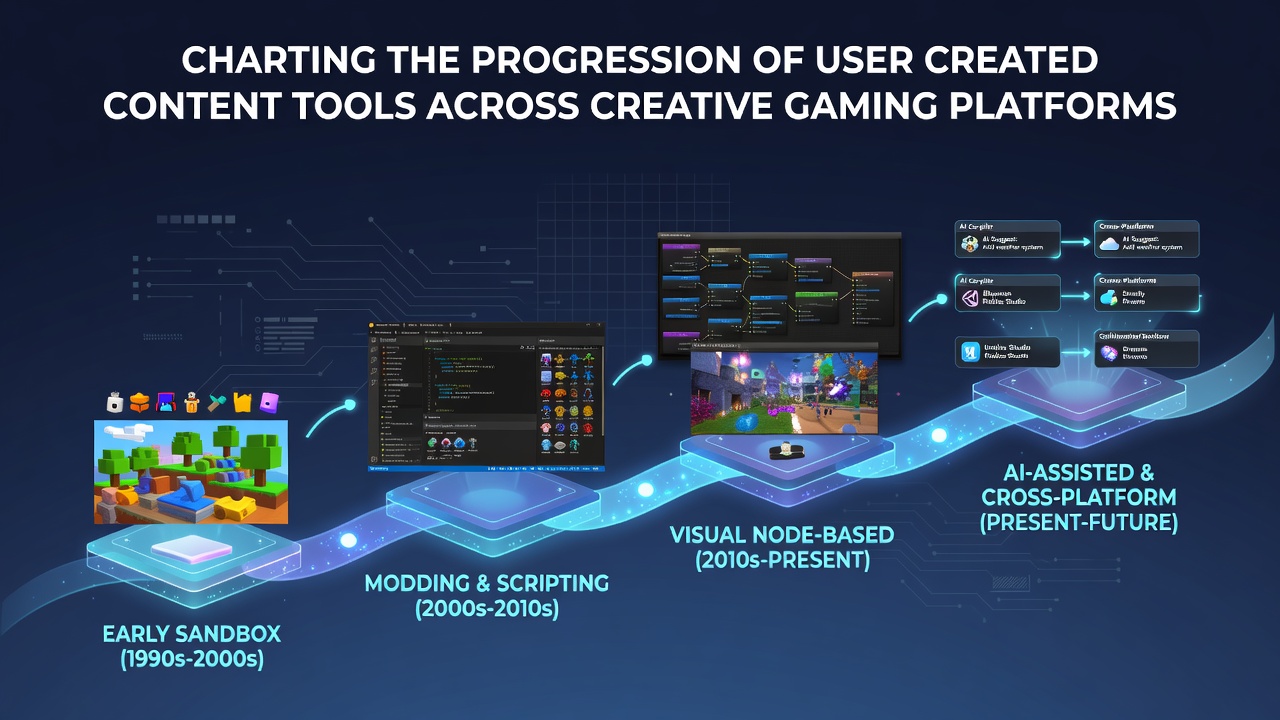
Tracing the Development of Community Design Instruments in Interactive Entertainment Platforms
Creative gaming platforms have seen steady expansion in user-created content tools since the early days of digital play, with developers integrating increasingly sophisticated editors that allow players to build, modify, and share experiences directly within game environments. Research from the Entertainment Software Association indicates that these features have grown alongside broader industry shifts toward community engagement, where data from 2025 shows over 40 percent of active players on major platforms participate in some form of content creation. Observers note how initial simple level editors evolved into comprehensive systems that support scripting, asset importing, and multiplayer collaboration, all while maintaining accessibility for users without professional training.
Early Foundations in the 2000s
During the mid-2000s several platforms introduced basic customization options that laid groundwork for later advancements, and games like Minecraft released in 2011 built on this by offering block-based building mechanics that encouraged players to construct entire worlds from scratch. Those who studied this period point out that tools remained limited to core mechanics such as terrain editing and simple object placement, yet they fostered communities that shared creations through external forums and file exchanges. Data shows participation rates climbed as internet connectivity improved, which allowed seamless distribution of user maps and modifications across regions including North America and parts of Asia.
Expansion Through Integrated Editors in the 2010s
By the 2010s platforms began embedding more robust creation suites directly into their core experiences, and Roblox expanded its studio tools to include scripting languages alongside visual builders that supported user-generated games across mobile and desktop formats. Studies from European research institutions highlight how these changes coincided with rising mobile gaming adoption, where figures reveal millions of experiences created annually by the end of the decade. What's interesting here is the shift toward monetization features that let creators earn from their work, which encouraged sustained development without requiring external software knowledge.
Modern Capabilities and Cross-Platform Integration
Current tools on platforms such as Fortnite Creative and Dreams provide advanced options including real-time collaboration, physics simulation, and AI-assisted asset generation, and these features connect players across devices while supporting exports to other formats. According to industry reports from Australian trade groups, adoption of such systems has increased steadily with annual growth in user submissions reaching double digits through 2025. Researchers discovered that integration with cloud services now allows instant sharing and version control, which reduces barriers that once limited participation to dedicated hobbyists.
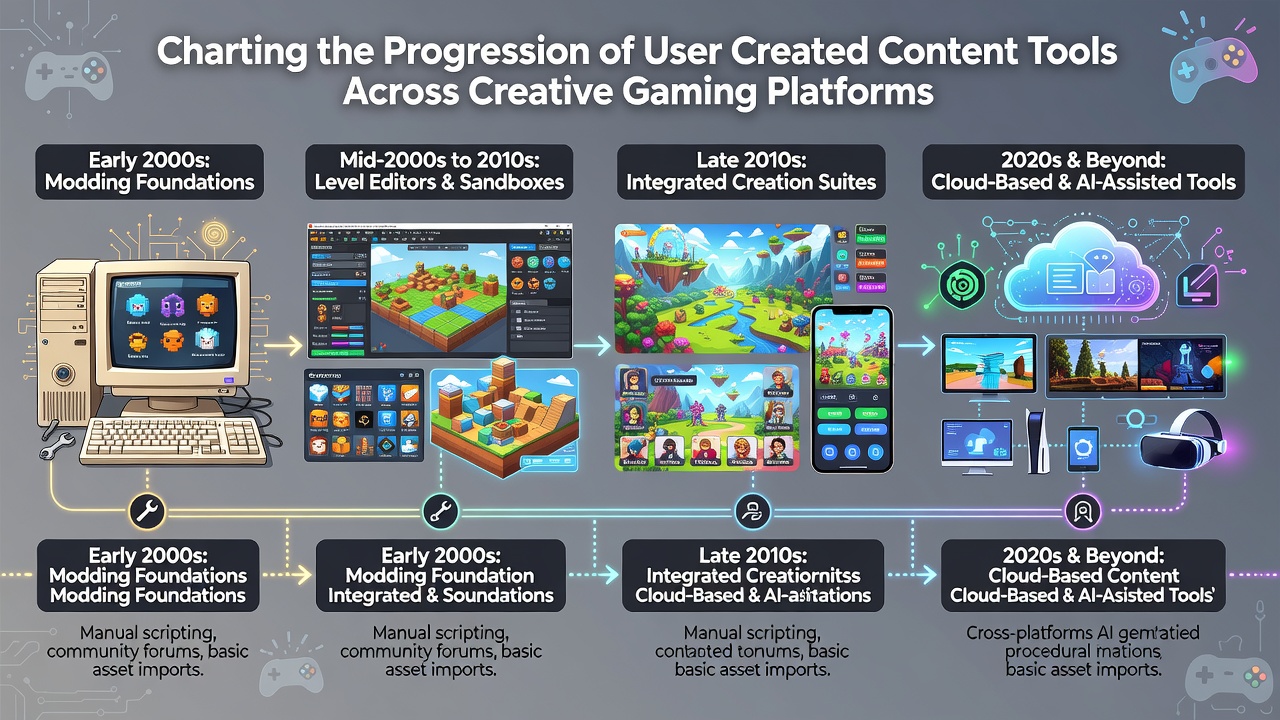
Observers note additional layers like moderation systems and discovery algorithms that help surface popular creations amid growing libraries, and this setup supports both casual builders and those pursuing professional pathways. In July 2026 industry events scheduled across multiple continents will showcase updates to these tools, including enhanced support for virtual reality elements and expanded asset libraries drawn from community contributions. Those who've examined usage patterns find that cross-platform compatibility has become standard, allowing a creation started on console to continue on handheld devices without loss of functionality.
Impact on Player Communities and Platform Growth
Community design instruments have influenced how platforms measure success, with metrics now incorporating creation volume alongside traditional playtime statistics, and this approach appears in reports from Canadian regulatory bodies tracking digital entertainment trends. People often find that tools emphasizing education, such as tutorials embedded in editors, help onboard newcomers while retaining experienced users through challenges and contests. Data indicates these elements contribute to longer platform lifespans, as fresh content generated by players reduces reliance on official updates alone.
Yet the progression continues with emerging focuses on accessibility features like voice-controlled building and adaptive interfaces for varied skill levels, and academic papers from institutions in the United Kingdom have documented how such additions broaden participation demographics. The reality is that these advancements build directly on prior generations of software, creating layered ecosystems where older creations remain compatible with newer toolsets through backward support protocols.
Conclusion
The timeline of user-created content tools across creative gaming platforms reflects consistent technical refinement paired with community feedback loops, and this pattern suggests further integration with emerging technologies like generative AI in coming years. Figures from global sources confirm sustained growth in both tool sophistication and user engagement, which positions these features as central to the ongoing evolution of interactive entertainment.