Strategic Talent Progression Frameworks in Studio Management Simulations for Superior Performance Indicators
Written by Riley Friedrich · Jun 10, 2026
Strategic Talent Progression Frameworks in Studio Management Simulations for Superior Performance Indicators
Studio management simulators incorporate detailed employee skill tree systems that allow players to allocate development points across various talent branches including programming expertise, design creativity, marketing acumen, and project leadership capabilities, and these structures directly influence overall studio output levels such as revenue generation, game quality scores, and employee retention rates. Data from industry reports indicates that players who prioritize balanced skill distributions rather than hyper-focused paths achieve higher aggregate success metrics across multiple simulation cycles.
Core Components of Skill Tree Structures in Simulation Environments
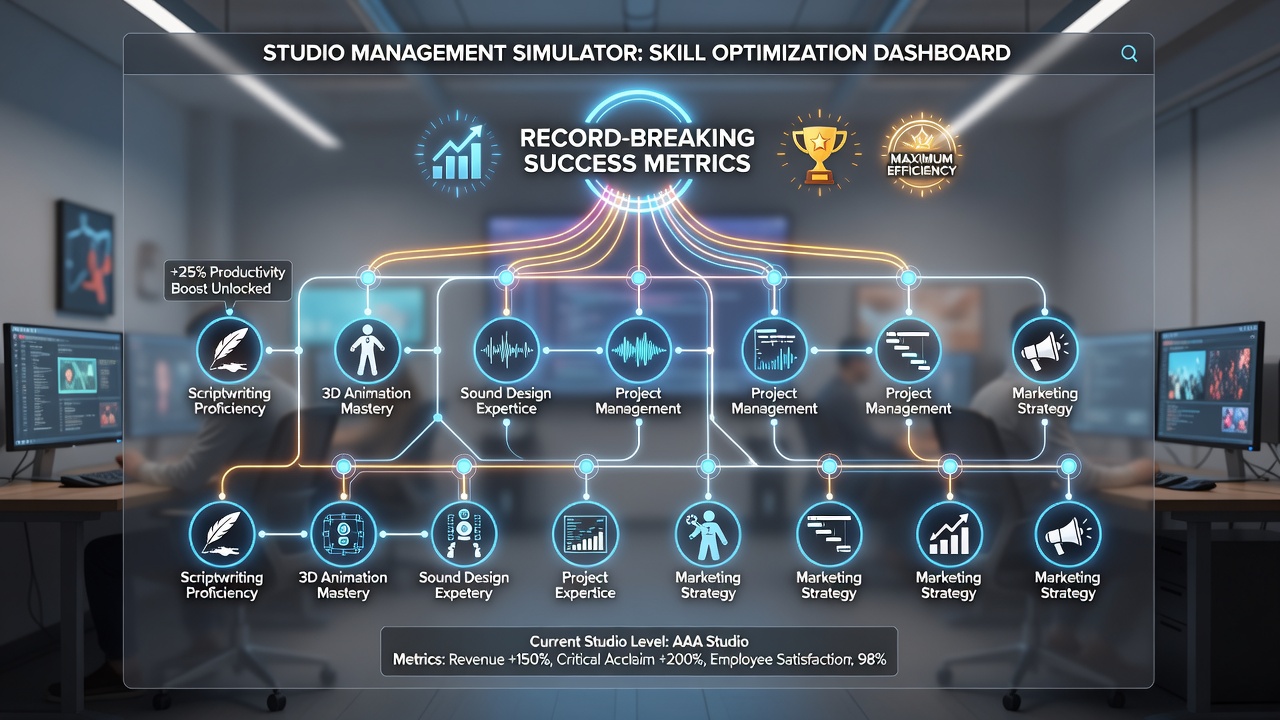
Employee progression models in these simulators typically feature interconnected nodes where foundational abilities unlock advanced specializations, and each choice affects subsequent project outcomes because attributes like debugging speed or creative innovation compound over time through repeated task assignments. Researchers discovered that early investment in support skills such as team communication often yields greater long-term returns compared to immediate specialization in high-visibility areas like advanced coding techniques, since collaborative efficiencies reduce project delays and associated costs.
Simulation data shows branching pathways that represent real-world studio roles, with some nodes providing multiplicative bonuses when combined strategically, whereas isolated high-level investments produce diminishing returns after certain thresholds. Observers note that June 2026 updates to several popular titles introduced dynamic skill decay mechanics, requiring ongoing training investments to maintain peak performance levels across extended play sessions.
Effective Allocation Methods for Maximum Metric Improvement
Players achieve record metrics when they analyze project requirements before assigning skill points, matching employee strengths to specific development phases such as pre-production planning or post-launch support, and this alignment minimizes bottlenecks while accelerating overall progress. Studies from academic institutions reveal that hybrid approaches combining generalist foundations with targeted expert nodes outperform pure specialization strategies by measurable margins in simulated environments.
Resource management becomes critical because limited training budgets force prioritization decisions that cascade through entire studio operations, and data indicates successful configurations often rotate skill emphases based on current market trends within the simulation. Those who've studied progression patterns find that cross-training multiple staff members in overlapping competencies creates redundancy benefits that protect against individual absences or unexpected challenges.
Performance Tracking and Adjustment Protocols
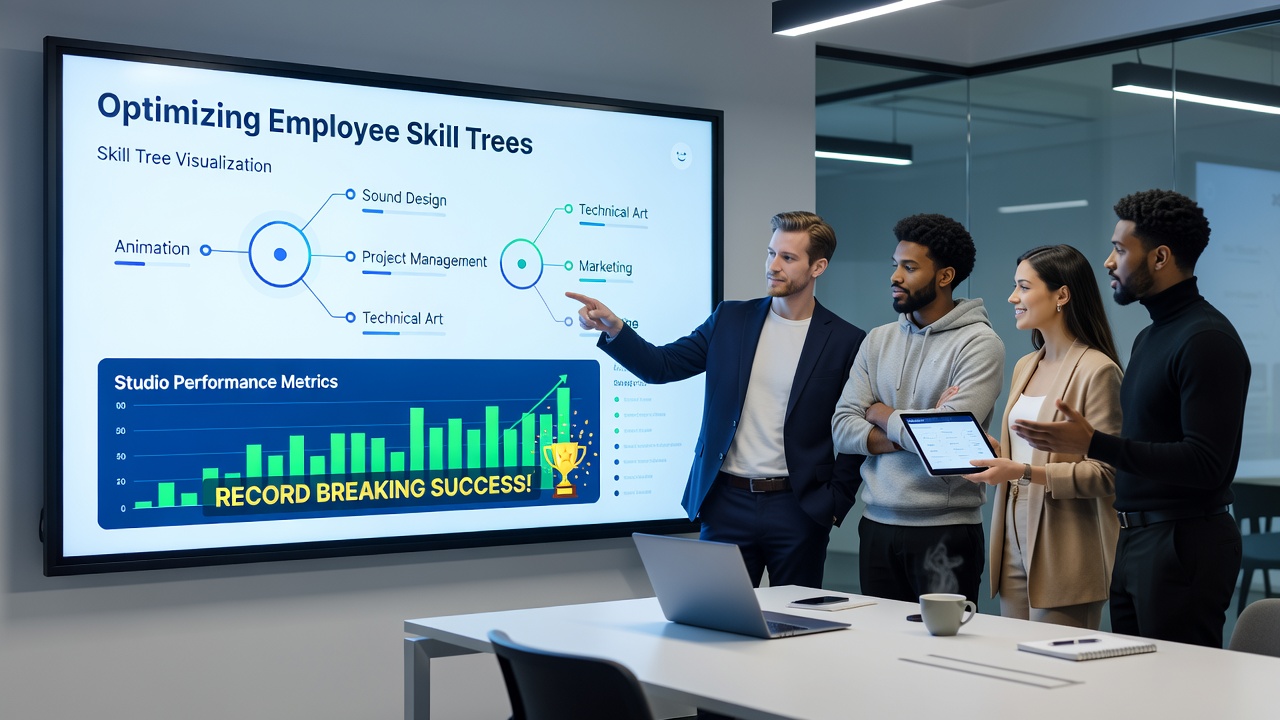
Success metrics in these simulators encompass financial returns, critical reception scores, employee satisfaction indices, and expansion opportunities, each tied to underlying skill distributions that players can monitor through in-game analytics dashboards. Adjustments made mid-project based on emerging data points allow for course corrections that preserve momentum toward high achievement targets, whereas rigid adherence to initial plans frequently results in suboptimal outcomes when conditions shift.
According to figures from the Entertainment Software Association, simulation mechanics mirror aspects of actual industry talent management practices where adaptive skill development correlates with sustained organizational growth. Australian research through the Interactive Games and Entertainment Association further supports that balanced progression strategies contribute to consistent metric elevation across varied simulation scenarios.
Long-Term Progression Planning Considerations
Extended simulation campaigns benefit from phased skill investments that account for evolving studio needs as teams expand and project scopes increase in complexity, and planners who anticipate future requirements position their operations for compounding advantages over successive releases. Evidence suggests that neglecting foundational support skills in favor of flashy specializations creates vulnerabilities during high-pressure periods such as crunch phases or market downturns within the game world.
Simulation participants often discover that periodic reassessment of skill trees based on accumulated performance data prevents stagnation and opens new efficiency pathways, while static configurations limit adaptability when unexpected opportunities arise. Those monitoring these systems report that integration of soft skill nodes alongside technical expertise produces more resilient studio operations capable of handling diverse project demands.
Conclusion
Optimization of employee skill trees within studio management simulators requires systematic analysis of interconnected progression options, strategic resource allocation aligned with project demands, and ongoing adjustments informed by performance indicators. These approaches enable attainment of elevated success metrics through structured talent development rather than ad hoc decision making, and available research continues to highlight connections between deliberate skill planning and measurable operational improvements in simulated studio environments.