Rhythm Input Mastery: Mapping Controller Gestures to Scoring Layers in Music Performance Titles
Written by Riley Friedrich · Jun 5, 2026
Rhythm Input Mastery: Mapping Controller Gestures to Scoring Layers in Music Performance Titles
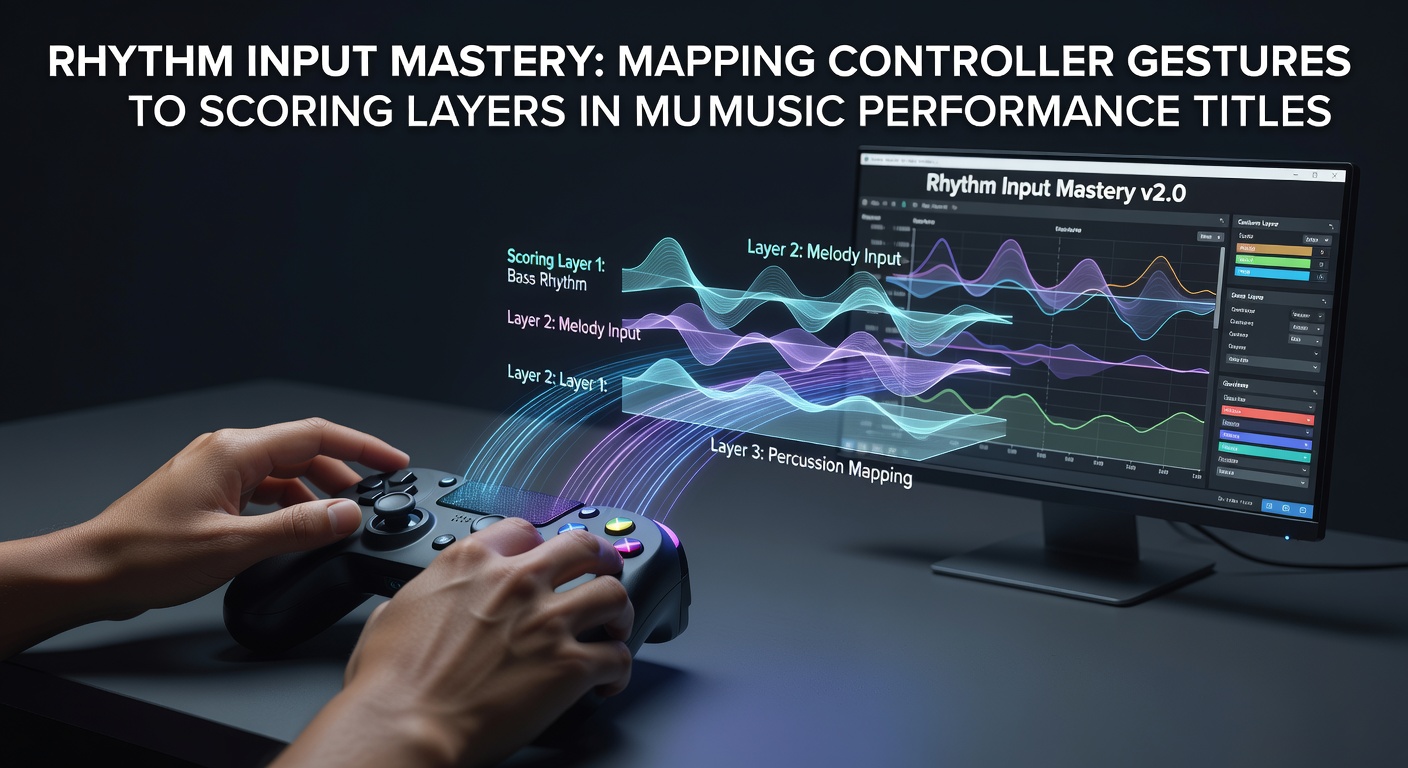
Players interact with music performance titles through controller gestures that translate physical movements into digital inputs and these gestures connect directly to layered scoring systems that evaluate timing, accuracy, and sequence completion. Developers design input mappings so each gesture aligns with specific musical elements such as beats, notes, and rhythms while the scoring engine processes data across multiple layers to generate final performance metrics.
Core Principles of Gesture Mapping
Controller hardware captures gestures through buttons, analog sticks, motion sensors, and touch surfaces and software interprets these actions by matching them against predefined timing windows that correspond to audio tracks. Research from the Entertainment Software Association indicates that precise input detection improves player engagement because systems reward consistent gesture execution with higher point multipliers across successive scoring layers.
Mapping begins at the hardware level where sensors detect velocity, direction, and duration of each movement then passes raw data to game engines that apply calibration algorithms. Observers note that developers often create custom profiles for different controller types so the same gesture produces consistent results whether users employ a standard gamepad, a specialized rhythm peripheral, or motion-based devices.
Layered Scoring Systems Explained
Scoring operates across distinct layers that evaluate separate performance aspects and the first layer typically measures basic timing accuracy while subsequent layers assess combination bonuses, streak maintenance, and overall musical interpretation. Data from academic studies on human-computer interaction shows that multi-layer systems create depth because players receive feedback on both micro-level inputs and macro-level song progression.
Each layer processes information independently yet contributes to a unified score total and systems apply weighting factors so timing errors in early layers reduce potential bonuses available in later stages. Industry reports from the Interactive Software Federation of Europe reveal that balanced layer design prevents frustration by allowing partial credit even when players miss advanced gesture sequences.
Technical Implementation in Modern Titles
Game engines utilize real-time analysis to map gestures onto scoring layers and developers integrate audio synchronization tools that align controller data streams with music files down to millisecond precision. Those who study these systems find that latency compensation techniques become essential especially when wireless controllers introduce variable input delays.
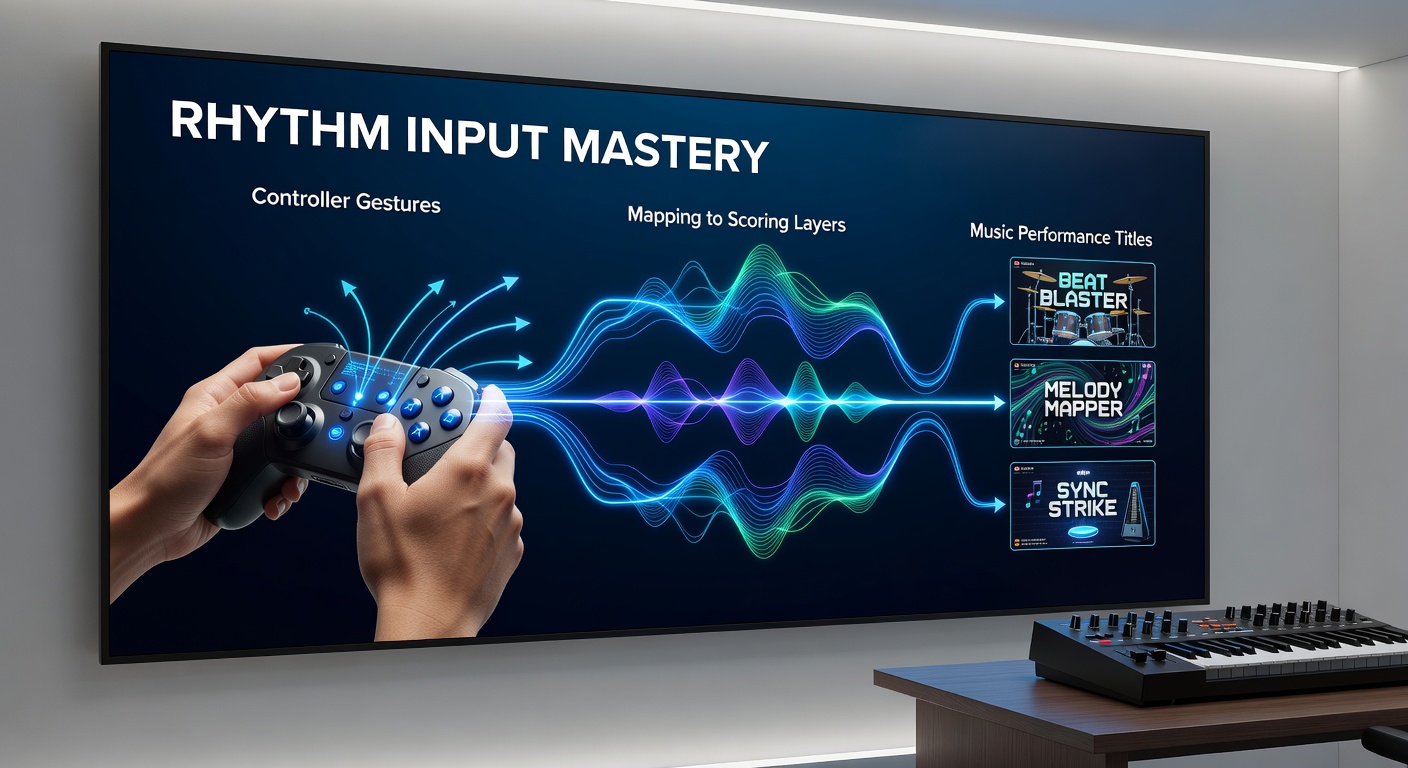
Advanced implementations incorporate adaptive difficulty that adjusts gesture recognition thresholds based on player performance history and this approach allows newcomers to experience success while challenging experts through tighter timing windows. Figures from the Canadian Interactive Digital Entertainment Association demonstrate that adaptive systems correlate with longer play sessions because they maintain engagement across skill levels.
Gesture Types and Their Scoring Impact
Common gestures include taps, holds, flicks, tilts, and combinations that require simultaneous or sequential inputs and each category maps to specific scoring opportunities within the layered framework. Taps often feed the base accuracy layer while holds contribute to sustain bonuses and flicks trigger special multiplier events that affect higher scoring layers.
Developers document gesture libraries in technical specifications that guide both hardware calibration and software response curves and players benefit when these libraries account for variations in hand size, grip style, and controller wear over time. What's interesting is how some titles introduce context-sensitive gestures that change meaning depending on the current song section or accumulated score state.
Calibration and Player Adaptation
Calibration routines establish baseline sensitivity settings before gameplay begins and these processes measure individual input patterns to reduce false negatives during scoring evaluation. Researchers have documented that players who complete thorough calibration sessions achieve more consistent results across all scoring layers because the system learns their unique timing tendencies.
Over extended play periods users develop muscle memory that aligns personal gesture execution with the game's expected input windows and this adaptation process strengthens connections between physical actions and digital scoring outcomes. Data shows that regular practice sessions improve performance metrics more effectively than sporadic attempts because muscle memory reinforces the mapping between gestures and layers.
Conclusion
Mapping controller gestures to scoring layers forms a fundamental component of music performance titles and the relationship between physical input and layered evaluation determines how players experience rhythm-based gameplay. Technical implementations continue to evolve as hardware improves and software algorithms become more sophisticated in processing gesture data. Industry organizations and academic researchers track these developments because they influence both game design standards and player satisfaction metrics across global markets.