Resource Optimization in Simulation Builders Through Layered Progression Loops
Written by Riley Friedrich · Jun 3, 2026
Resource Optimization in Simulation Builders Through Layered Progression Loops
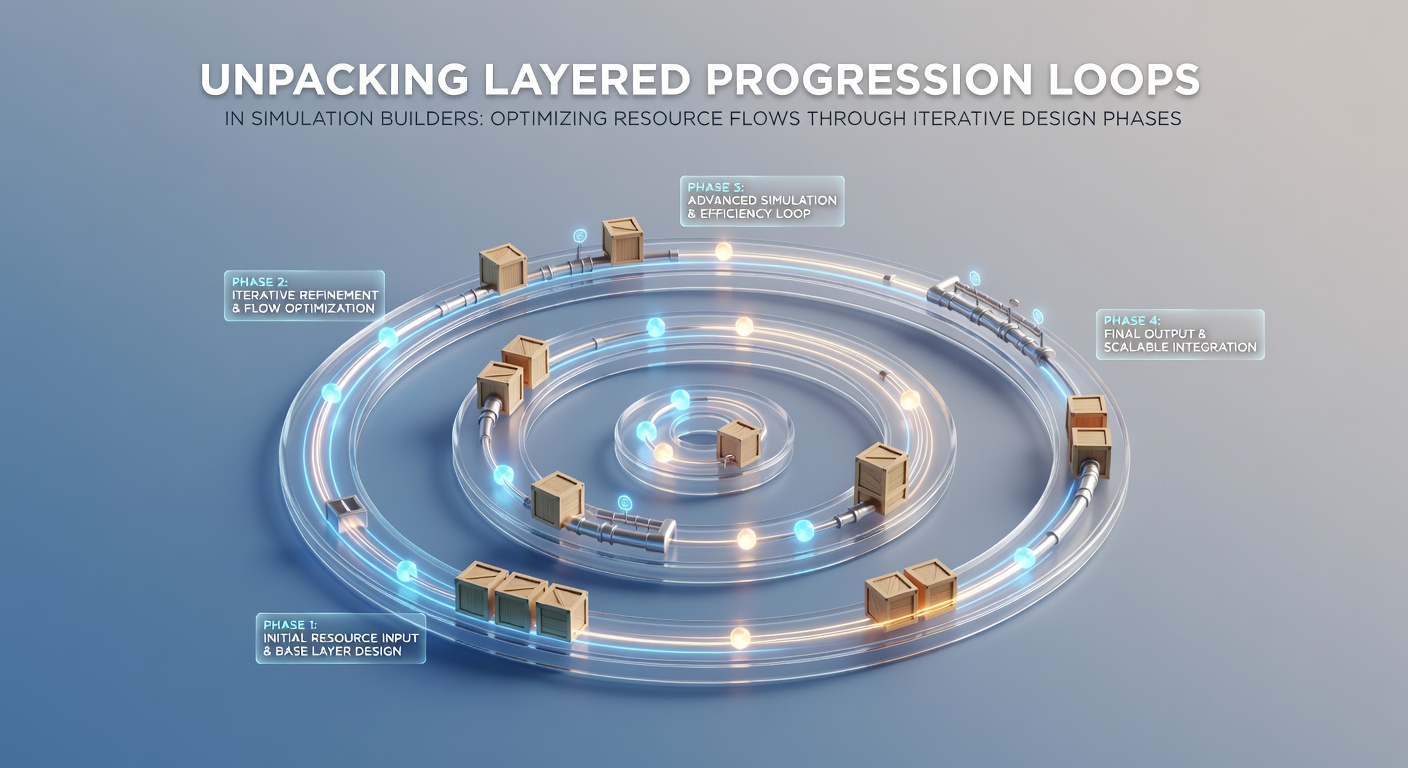
Simulation builders rely on layered progression loops that connect resource gathering, conversion, and distribution stages into repeating cycles, and these structures allow designers to refine efficiency across multiple iterations. Observers note that each layer typically handles a distinct phase such as extraction, processing, or consumption, while data flows between layers create feedback that influences subsequent design adjustments. Research from institutions like the University of Melbourne indicates that breaking progression into discrete loops helps isolate bottlenecks before they compound across an entire system.
Iterative design phases begin with baseline mapping of resource inputs and outputs, then proceed through testing cycles where variables like production rates and storage capacities receive incremental tweaks. Those who study these systems find that small changes in one loop often propagate upward, requiring recalibration of dependent layers to maintain overall stability. In June 2026 several simulation platforms introduced updated analytics dashboards that visualize these inter-layer dependencies in real time, enabling faster identification of flow disruptions during live testing sessions.
Core Components of Layered Loops
Each progression loop consists of three primary segments: acquisition nodes that pull raw materials from the environment, transformation hubs that apply conversion rules, and output channels that deliver finished goods to higher layers or external sinks. Experts have observed that acquisition nodes frequently operate under constraints such as terrain availability or extraction speed limits, while transformation hubs introduce efficiency multipliers tied to technology upgrades unlocked through prior loop completions. Output channels then feed metrics back into the acquisition layer, closing the cycle and prompting the next iteration of resource allocation decisions.
Designers commonly implement conditional triggers that activate when a layer reaches saturation, rerouting excess resources to parallel loops or triggering expansion events that unlock new node types. Studies conducted at the Technical University of Denmark demonstrate how these triggers reduce idle capacity by approximately 18 percent when calibrated against historical play data from large-scale builder projects. The process repeats across successive design phases, with each cycle incorporating player behavior patterns collected during previous iterations.
Optimizing Flows Across Iterations
Flow optimization starts by quantifying throughput at every segment and comparing actual versus theoretical maxima derived from the underlying simulation ruleset. Teams adjust node capacities, upgrade timings, and routing priorities during each phase, then measure resulting changes in total system output over fixed time windows. Data shows that successive iterations tend to converge on stable configurations once variance between projected and observed flows falls below a threshold determined by the builder's complexity scale.
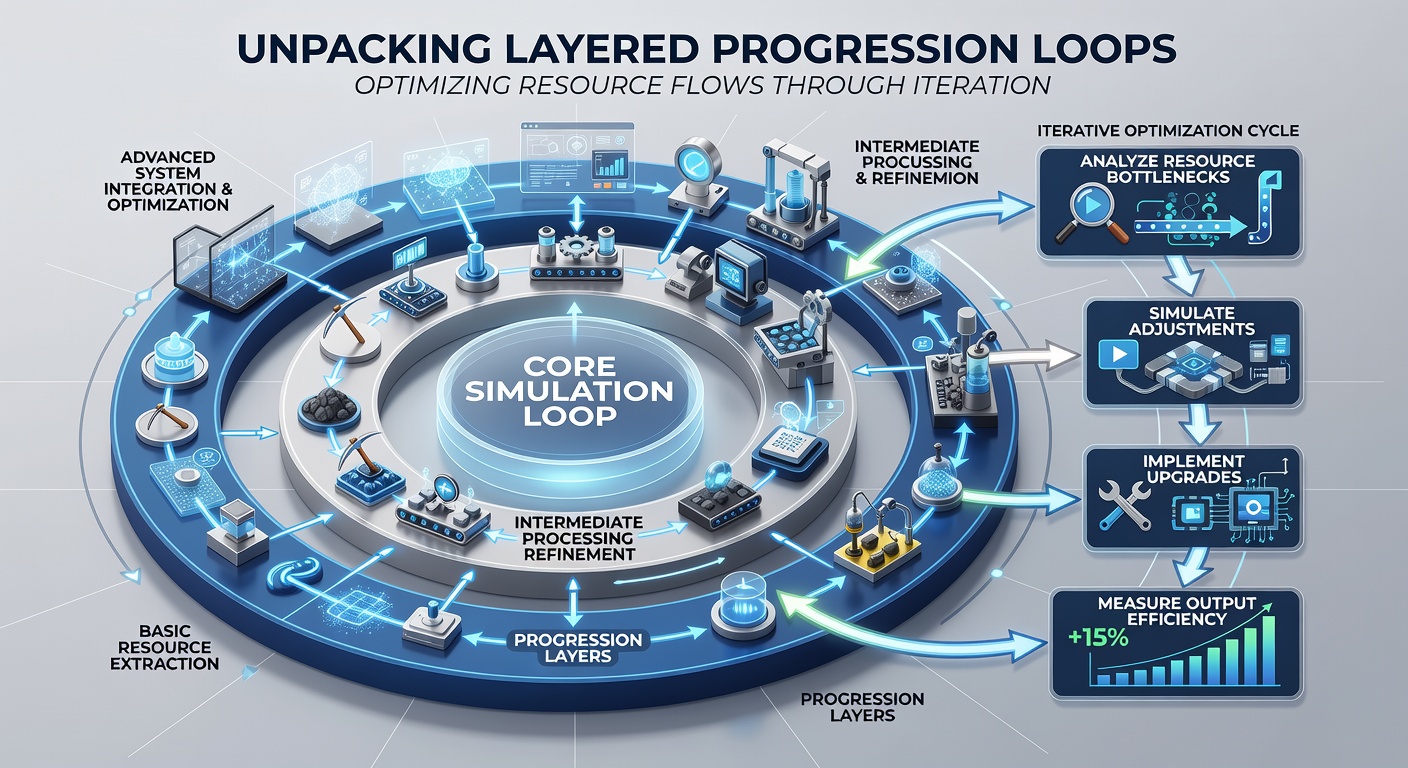
Parallel testing environments allow simultaneous evaluation of multiple loop configurations, shortening the overall iteration timeline. One documented case involved a city-scale builder where rerouting a single mid-layer processing stream increased end-stage delivery rates by 27 percent without requiring additional acquisition infrastructure. Industry reports from the Interactive Games and Entertainment Association of Australia highlight similar gains achieved through systematic comparison of loop variants during closed beta periods.
Balancing Feedback Mechanisms
Feedback mechanisms embedded in layered systems transmit performance signals upward and downward, prompting automatic or designer-initiated corrections. Positive feedback accelerates expansion when loops exceed efficiency targets, whereas negative feedback dampens activity to prevent overproduction and storage overflow. Researchers tracking these dynamics report that well-tuned negative loops maintain resource buffers within 10 to 15 percent of peak demand across extended play sessions.
Iterative phases incorporate player telemetry to refine feedback sensitivity, ensuring loops respond appropriately to varied play styles. Adjustments made in one phase carry forward, creating cumulative improvements that compound over subsequent releases. According to findings presented at recent technical symposia, builders that expose feedback parameters to modding communities achieve broader testing coverage and faster identification of edge-case imbalances.
Conclusion
Layered progression loops provide simulation builders with modular frameworks for managing resource flows through repeated design cycles. Systematic measurement, conditional routing, and feedback calibration together enable progressive refinement that scales with project scope. Continued development of visualization tools and community testing channels supports ongoing optimization as new builder titles reach wider audiences.