Physics Interactions as Catalysts for Innovation in User-Generated Adventure Design
Written by Olivia Washington · Aug 21, 2026
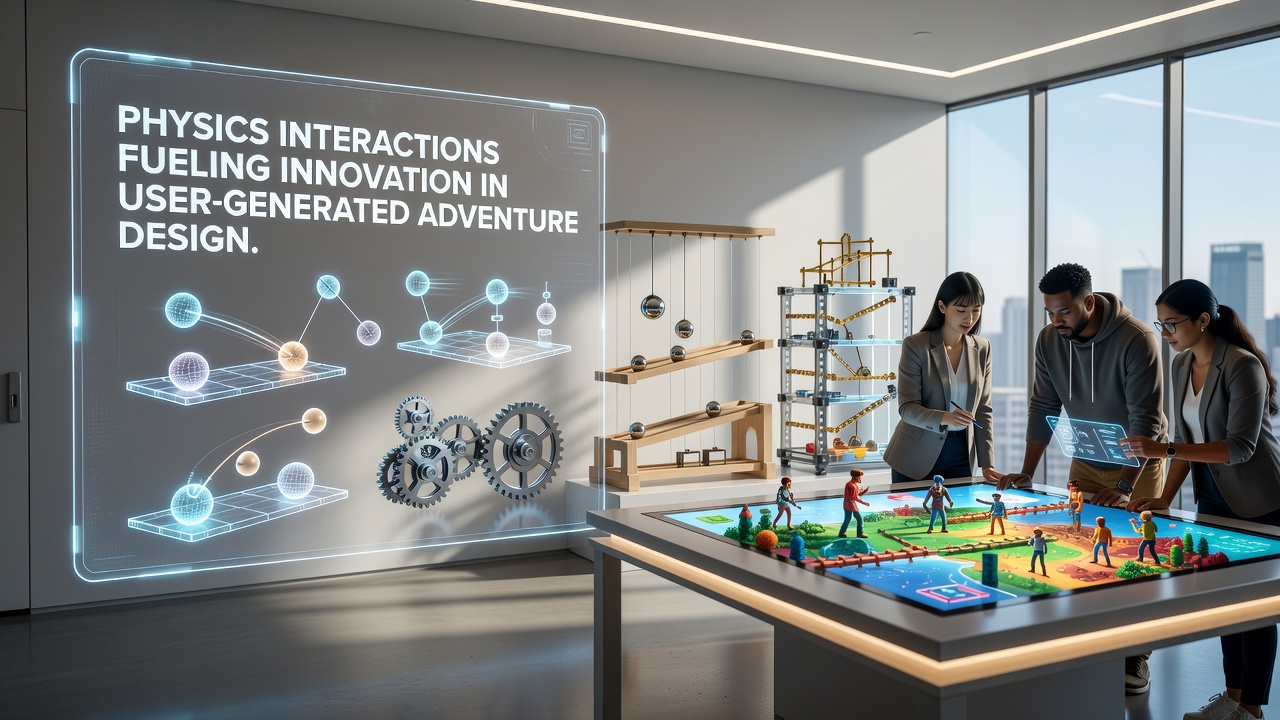
Physics Interactions as Catalysts for Innovation in User-Generated Adventure Design
Physics interactions form core components in many user-generated adventure design platforms where creators build environments that respond dynamically to player actions, and these systems rely on simulation engines to handle collisions, gravity, and momentum with precision. Researchers at institutions across North America and Europe have documented how such mechanics expand creative possibilities beyond static level design, allowing communities to experiment with cause-and-effect relationships that mimic real-world behaviors while remaining computationally feasible for consumer hardware.
Developers integrate rigid body dynamics and soft body simulations into toolsets so users can craft interactive objects like swinging bridges or destructible barriers, and data from industry reports shows these features increase engagement metrics in titles that emphasize creation modes. Observers note that when physics parameters become adjustable through visual scripting interfaces, participants produce more varied adventure scenarios including puzzle sequences where timing and force application determine success paths.
Core Simulation Technologies Behind Creator Tools
Game engines such as those powering popular creation platforms employ numerical integration methods to calculate object trajectories frame by frame, and this approach enables consistent results across different user devices even when complex assemblies interact simultaneously. Studies conducted by teams at universities in Australia indicate that optimized collision detection algorithms reduce processing overhead by up to forty percent compared with earlier implementations, freeing resources for additional visual effects or larger world scales.
Fluid dynamics modules appear in select design kits where creators incorporate water flows or particle systems that affect character movement, and evidence from technical papers reveals these additions support narrative elements like flooding sequences or wind-driven puzzles. Those who've analyzed usage patterns find that communities share templates incorporating these physics layers, accelerating the spread of advanced techniques among new designers.
Community Examples and Design Patterns
Take one case where groups on collaborative platforms constructed adventure maps featuring chain reactions triggered by player-initiated events, and these builds demonstrate how momentum conservation rules create emergent challenges that static designs rarely achieve. Figures from engagement analytics released in mid-2025 reveal sustained playtime increases in projects that leverage multiple interacting physics objects, particularly when creators provide adjustable difficulty sliders tied directly to simulation variables.
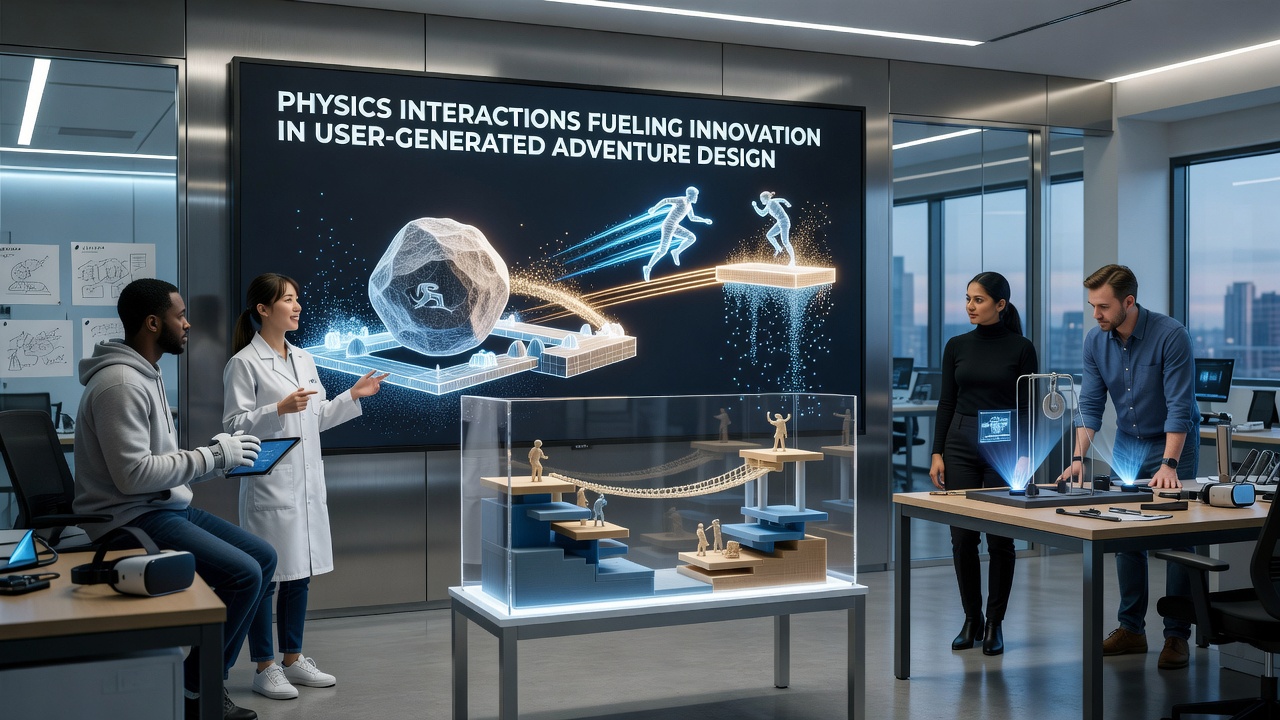
Another pattern involves modular construction kits where users snap together components with predefined physical properties, and reports from European game development conferences highlight how this method lowers barriers for participants without programming backgrounds. As of August 2026, ongoing updates to several major engines continue to refine soft body handling, allowing more realistic cloth and rope behaviors that integrate into adventure sequences involving climbing or swinging elements.
Technical Constraints and Optimization Strategies
Hardware limitations still influence what creators can achieve, since real-time physics calculations demand significant processor cycles when hundreds of objects collide at once, yet developers counter this through level-of-detail scaling and sleeping algorithms that pause inactive bodies. Research indicates from Canadian academic sources shows hybrid approaches combining deterministic and approximate simulations maintain stability without sacrificing too much fidelity in large-scale user projects.
Network synchronization presents additional hurdles for multiplayer adventure designs where physics states must align across participants, and industry organizations such as those representing interactive entertainment sectors have published guidelines on lag compensation techniques that preserve fairness during shared physics events. Creators who master these methods produce adventures featuring cooperative puzzles dependent on synchronized forces applied from multiple angles.
Future Directions in Physics-Enabled Creation
Machine learning integrations are beginning to assist with automatic parameter tuning for stable simulations, and preliminary findings suggest these tools could help users iterate faster on complex mechanisms without manual debugging. Data from ongoing projects points toward greater emphasis on accessible visualization of force vectors and energy transfers, making underlying physics principles clearer during the design process itself.
Conclusion
Physics interactions continue to expand the scope of what user-generated adventure designs can accomplish by providing responsive systems that reward experimentation and precise construction. As simulation capabilities advance through combined efforts from academic researchers, engine developers, and community contributors, new patterns emerge that blend technical accuracy with creative freedom across global design spaces.