Mashups Reshape Rhythm Game Appeal Through Layered Sound Design
Written by Theo Jung · Aug 2, 2026
Mashups Reshape Rhythm Game Appeal Through Layered Sound Design
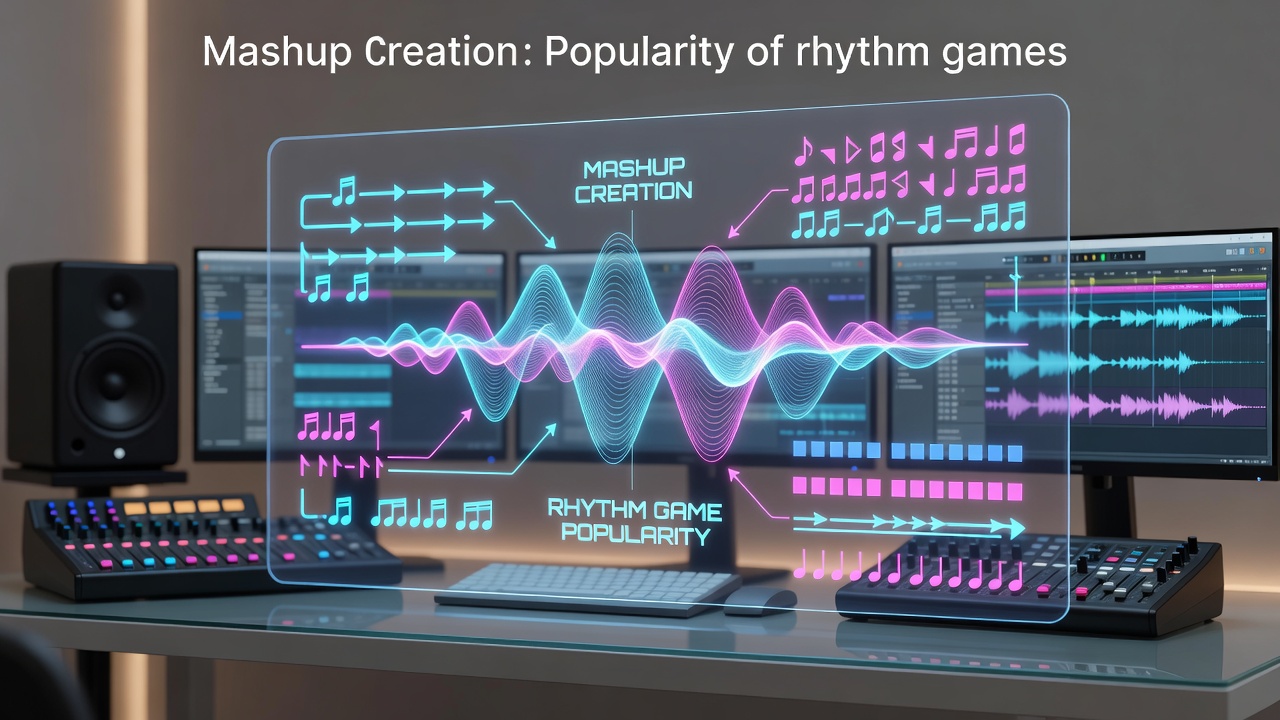
Creators build mashups by overlaying distinct tracks, adjusting tempos, and aligning beats so multiple songs play together without clashing. This process requires software tools that isolate stems, match keys, and sync rhythms down to fractions of a second. Rhythm games incorporate these blends because they expand song libraries while keeping core gameplay loops intact, and data from music gaming communities show higher session lengths when players encounter familiar elements mixed with unexpected pairings.
Core Techniques Behind Effective Mashups
Producers start by selecting source material with compatible tempos, then apply time-stretching algorithms to align beats precisely. They layer bass lines from one track over melodies from another while filtering frequencies to prevent muddiness. Equalization adjustments carve space for each element, and automation curves control volume swells that highlight transitions. Observers note that successful examples maintain a single dominant groove even when three or more songs occupy the same arrangement, and researchers at European game audio labs have documented how these methods reduce player fatigue during extended play sessions.
Digital audio workstations handle most of the heavy lifting through plugins that detect transient peaks and suggest grid alignments. Community tutorials demonstrate how to split acapellas from instrumentals using phase cancellation, then rebuild arrangements around new drum patterns. Those who study player retention metrics find that games featuring these custom blends report stronger repeat engagement compared with standard licensed tracks alone.
Integration Into Rhythm Game Mechanics
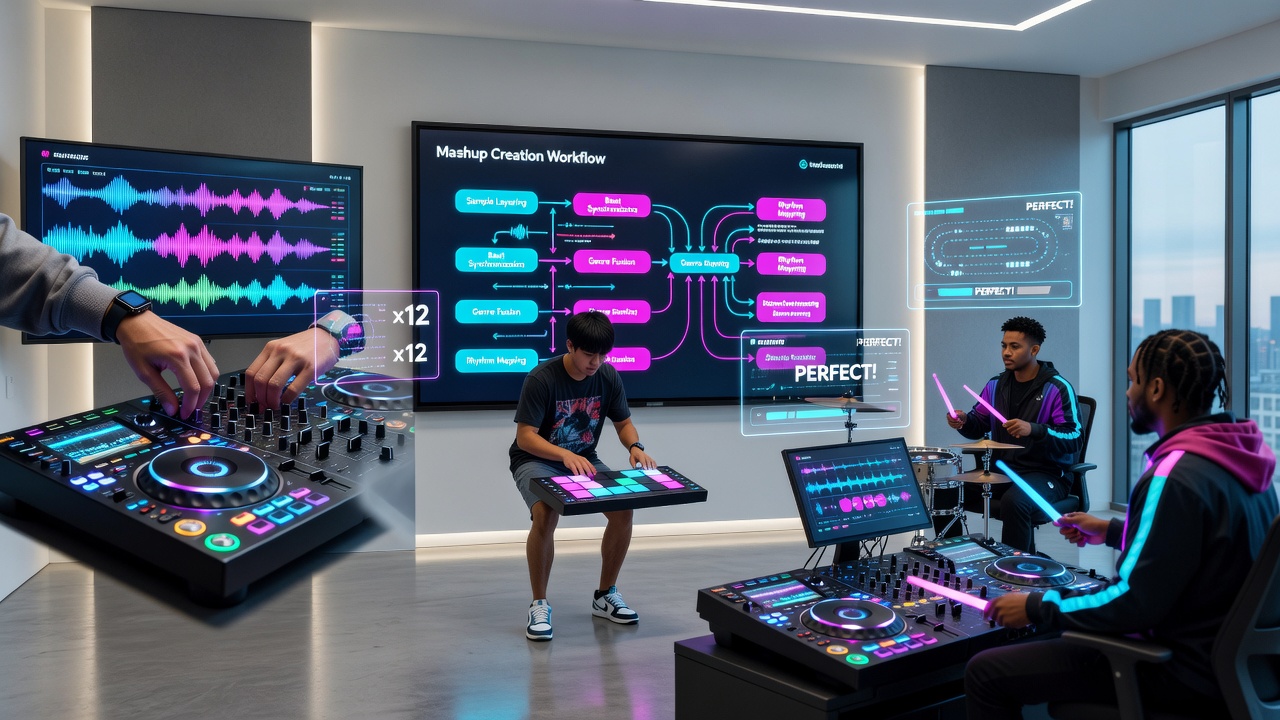
Game developers map mashup elements onto controller inputs by assigning distinct note streams to different song layers. Players hit buttons or swipe gestures that correspond to each component, and scoring systems award bonuses when simultaneous inputs match multiple tracks at once. This design choice turns passive listening into active performance, and statistics collected by North American industry groups indicate that rhythm titles with mashup modes achieve higher chart rankings during launch windows.
Multiplayer setups allow one participant to control the main melody while another manipulates percussion overlays, creating cooperative challenges that scale with skill level. Audio engines dynamically adjust mix volumes based on player accuracy, so mistakes in one layer become audible without derailing the entire performance. Reports from Australian gaming research centers highlight how these features increase social play hours, because groups can experiment with different combinations during shared sessions.
By August 2026 several rhythm game platforms have expanded their online marketplaces to include user-submitted mashups, with moderation systems that verify tempo compatibility before approval. This shift lets communities contribute directly to available content libraries, and download figures reveal steady growth in regions where mobile rhythm titles dominate.
Measurable Effects on Game Popularity
Analytics platforms track how mashup features correlate with daily active users and social media mentions. Titles that introduce seasonal mashup events see spikes in concurrent players, particularly when new blends feature chart-topping singles alongside classic tracks. Industry reports from Canadian trade associations link these updates to sustained revenue through in-game purchases of additional audio packs.
Search volume data shows rising queries for specific mashup tutorials alongside rhythm game names, suggesting players seek out the creative side of the experience. Streaming services record longer watch times for sessions that showcase live mashup construction, and this visibility feeds back into game discovery. Observers at international music technology conferences point to rhythm games as accessible entry points for learning audio production concepts because the gameplay itself demonstrates timing and layering principles.
Community Contributions and Distribution Channels
Online forums host repositories where creators share project files alongside gameplay videos. Moderators enforce guidelines around copyright clearance and technical quality, which keeps the ecosystem functional. Some developers now include official mashup editors inside their games, complete with stem isolation tools and export options for sharing. This closed-loop system reduces external software barriers and accelerates content creation cycles.
Regional events organized by gaming associations bring together mashup artists and players for live competitions, and prize structures reward both technical precision and audience engagement. Participation numbers tracked by these events continue to climb, reflecting broader interest in the intersection of music production and interactive entertainment.
Conclusion
Mashup creation supplies rhythm games with expandable sound palettes that reward both listening and performance skills. Technical processes centered on tempo alignment and frequency management translate directly into engaging mechanics, while community tools and marketplace features extend longevity. Data collected across multiple continents consistently shows elevated player metrics when these blends form part of the core experience, indicating the practice will remain central to future rhythm game development.