Integrating Arcade Fighting Traditions with Rhythm-Based Interaction Systems
Written by Theo Jung · May 27, 2026
Integrating Arcade Fighting Traditions with Rhythm-Based Interaction Systems
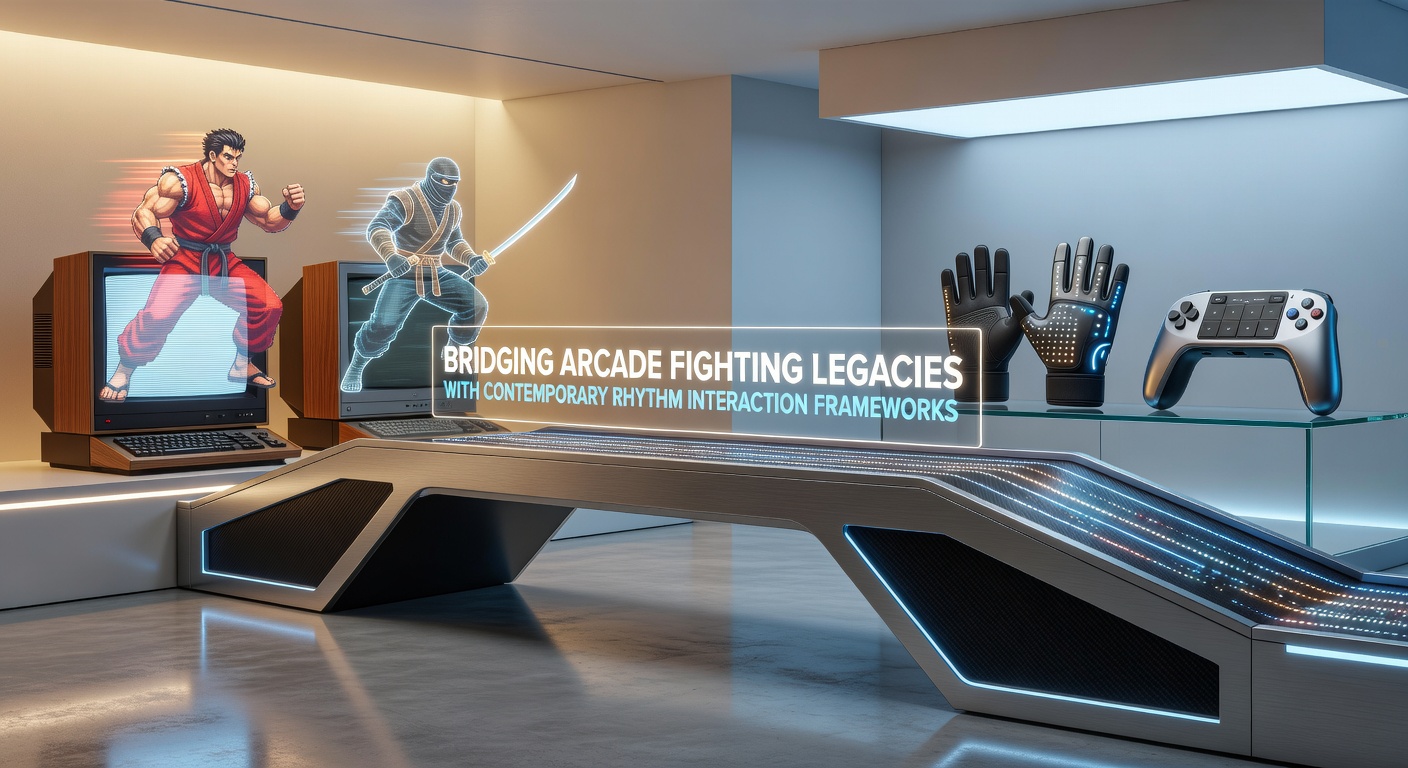
Arcade fighting games established core interaction patterns through precise timing windows for attacks, blocks, and combos, patterns that contemporary rhythm frameworks later adapted into beat-matching sequences and multiplier systems. Developers examined these shared elements when creating hybrid experiences that draw from both legacies without merging entire genres into single titles.
Foundations in Arcade Combat Mechanics
Systems from the late 1980s and 1990s required players to execute directional inputs combined with button presses inside narrow temporal margins, often measured in frames at 60 frames per second. Data from hardware documentation shows input buffers typically ranged between 4 and 8 frames for standard moves while special commands demanded stricter alignment. Observers note these constraints produced consistent execution challenges across cabinets from different manufacturers, creating measurable skill ceilings documented in tournament records maintained by regional gaming associations.
Rhythm Frameworks and Their Input Models
Modern rhythm titles shifted focus toward sustained beat synchronization where visual and audio cues dictate action windows measured in milliseconds rather than frames. Industry reports compiled by the Entertainment Software Association indicate average timing tolerances in leading rhythm titles sit between 50 and 150 milliseconds for perfect hits, with grading tiers expanding or contracting based on difficulty settings. These frameworks incorporate scoring layers that multiply points through consecutive successful inputs, a structure that echoes combo chaining yet replaces directional complexity with rhythmic precision.
Shared Technical Elements Across Legacies
Both domains rely on internal clocks that evaluate player actions against predetermined sequences. Fighting game engines track state machines for character animations while rhythm engines monitor audio spectrum data for beat detection. Researchers at institutions including the University of Alberta have published analyses showing overlap in buffer management techniques, where input polling rates and prediction algorithms reduce perceived latency in both categories. When developers bridge these areas they often reuse polling loops originally written for fighting input and adapt them to handle continuous rhythm streams instead of discrete command strings.
Hardware evolution further supports such integration. Modern controllers include improved polling and haptic feedback that replicate cabinet response times while adding pressure sensitivity suited to rhythm sequences. Figures from trade group surveys reveal increased adoption of these controllers in competitive settings since 2023, with cross-compatibility patches released for legacy emulation software.
Implementation Patterns in Recent Projects
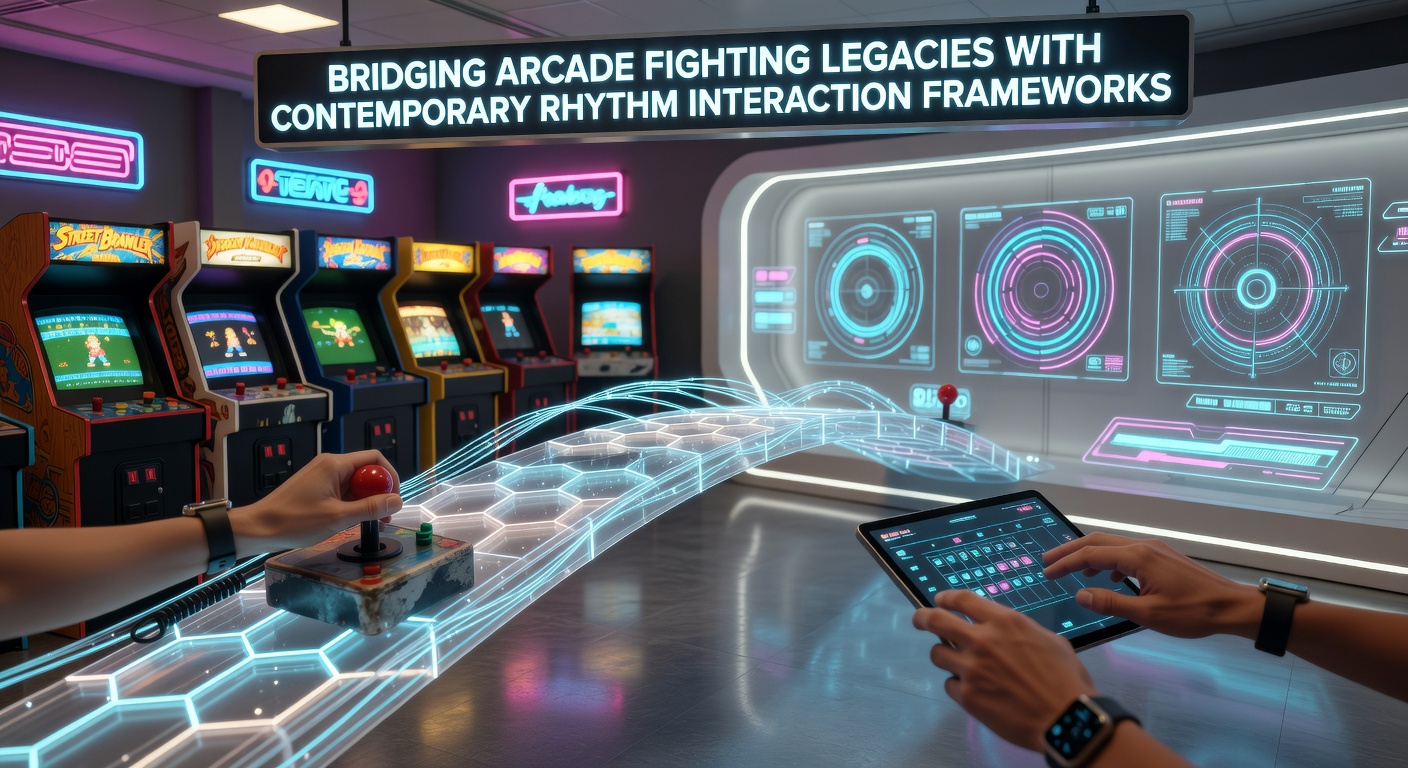
Teams have constructed middleware layers that translate rhythm track metadata into fighting-style state transitions. One documented approach maps musical intensity values to available move sets, so higher tempo sections unlock faster attack chains while maintaining the original game's frame data. Documentation from independent studios indicates these layers require under 15 percent additional code overhead when built atop existing engines.
Community events scheduled for May 2026 will feature demonstration builds that apply these mappings to both re-released arcade collections and current rhythm platforms. Organizers from multiple regions plan side-by-side stations where participants test identical input devices across the two interaction styles, collecting comparative performance data for later analysis.
Future Integration Pathways
Engine updates anticipated through 2026 emphasize modular timing systems capable of switching between frame-based and millisecond-based evaluation on demand. Academic papers presented at recent conferences outline algorithms that normalize both input types into a common event queue, allowing designers to layer rhythm cues onto existing fighting move lists or embed combo requirements inside rhythm progressions. Regulatory bodies in the European Union and Australia continue to monitor accessibility implications of tighter timing windows, issuing guidelines that encourage adjustable difficulty parameters without altering core scoring mathematics.
Conclusion
Technical overlap between arcade fighting legacies and rhythm interaction frameworks centers on timing evaluation, buffer handling, and scoring progression rather than thematic fusion. Continued middleware development and standardized input hardware support incremental experiments that preserve distinct mechanical identities while revealing transferable solutions across both categories.