Inside the Logic of Player Created Experiences: Techniques from Innovative Platformers
Written by Olivia Washington · May 22, 2026
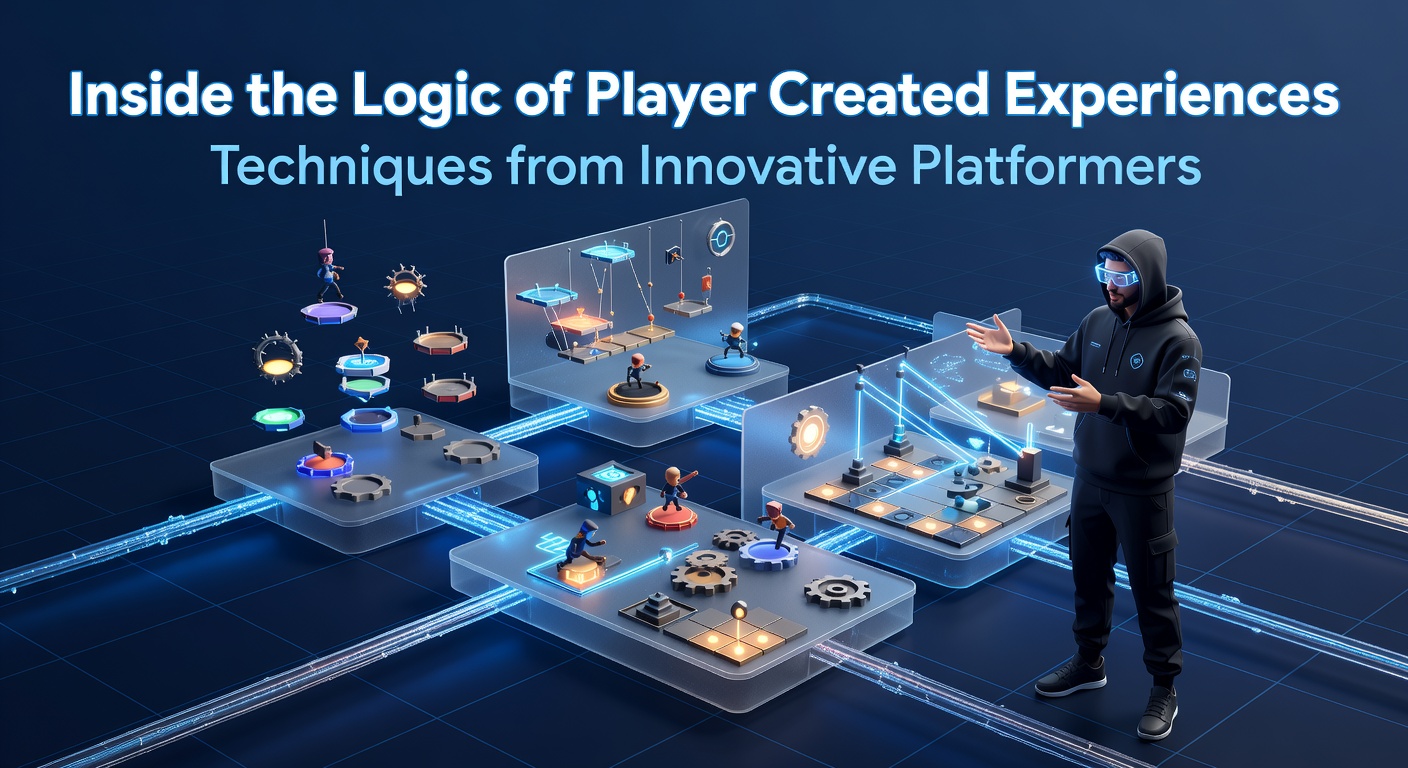
Inside the Logic of Player Created Experiences: Techniques from Innovative Platformers
Player-created experiences in platformers rely on structured logic systems that allow users to build interactive environments without traditional programming knowledge, and these frameworks have evolved through visual scripting tools that connect triggers, conditions, and responses in layered sequences. Developers incorporate node-based editors where each element represents a specific function such as movement activation or object transformation, which enables creators to assemble complex behaviors by linking these components in intuitive graphs.
Core Logic Components in Creation Tools
Platformer creation suites typically feature modular elements including timers, switches, and state machines that manage how player actions influence the game world, while conditional statements determine outcomes based on variables like position, speed, or collected items. Research from the University of Melbourne indicates that such systems reduce entry barriers for non-coders, allowing broader participation in content generation across global communities. Observers note that these components often integrate physics simulations to handle realistic interactions, ensuring that user-designed obstacles respond dynamically to character inputs rather than following fixed patterns.
State transitions play a central role because they track multiple possible scenarios within a single level, and creators combine them with event listeners to detect collisions or proximity, which then activate chained reactions like opening pathways or altering environments. Data from industry reports shows increased adoption of these techniques in educational settings where students experiment with cause-and-effect relationships through trial-based level design.
Advanced Scripting Patterns and Integration Methods
Innovative platformers extend basic logic with hierarchical nesting, where smaller subsystems feed into larger control structures, and this approach supports scalable experiences that adapt to different player skill levels without requiring separate builds. Experts have observed that randomization nodes introduce variability in enemy patrols or item placements, which keeps repeated playthroughs engaging while maintaining underlying rule consistency. Those who've studied these patterns recognize how feedback loops emerge when outputs from one node become inputs for another, creating emergent behaviors that feel organic rather than predetermined.
Multiplayer synchronization adds another layer because shared logic must resolve conflicts across connected sessions, and developers address this through priority queues that handle simultaneous inputs in consistent order. Figures from the Entertainment Software Association reveal steady growth in user-generated multiplayer content, with platformers contributing significantly to community-driven expansions that extend game longevity beyond initial releases. As of May 2026, ongoing updates continue to refine these synchronization tools in response to community feedback collected through developer forums and patch cycles.
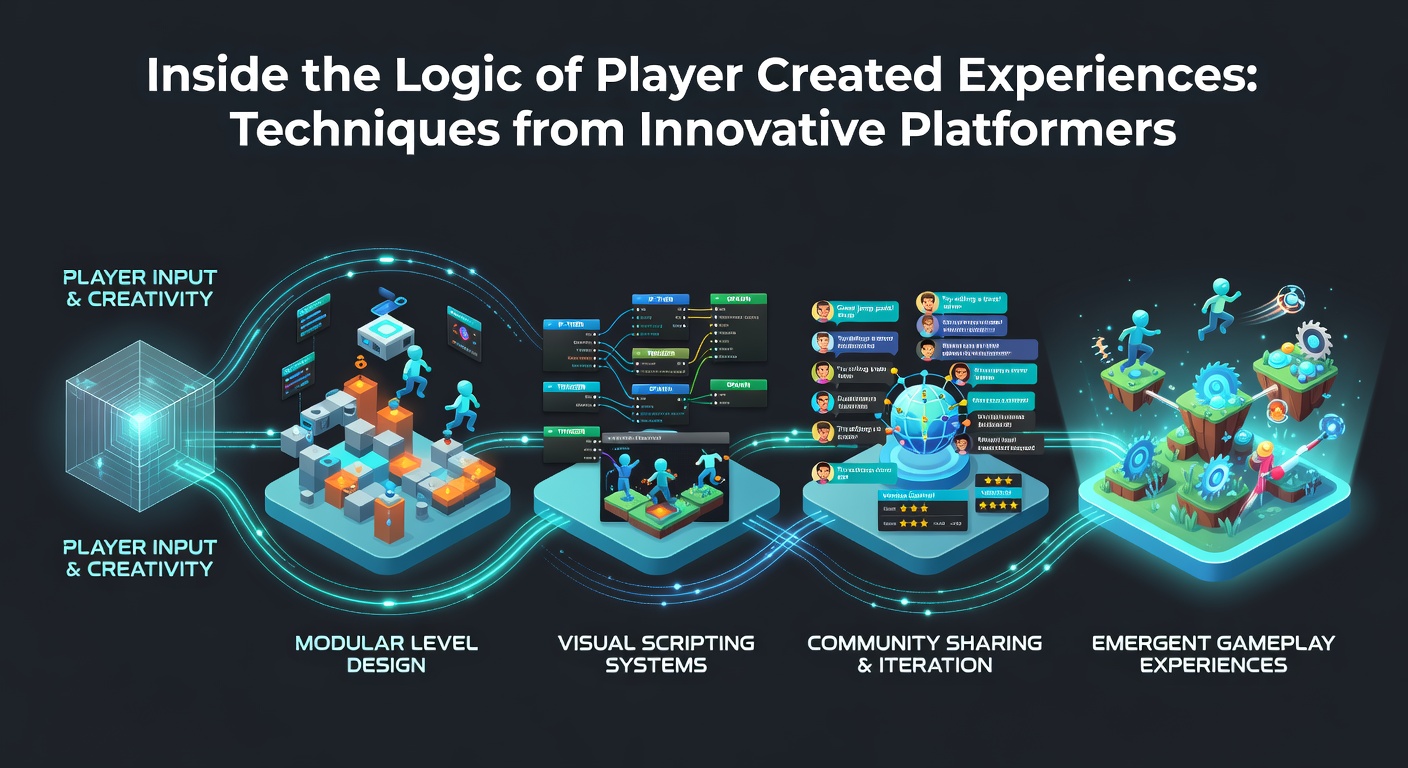
Case Examples from Contemporary Designs
One study revealed that visual scripting in modern platformers often borrows from flowchart methodologies, where creators map decision trees to control narrative branches or puzzle solutions, and this method proves particularly effective for levels that require precise timing or spatial reasoning. People who've tried these editors frequently discover shortcuts through reusable templates that encapsulate common logic patterns like pressure-plate sequences or moving-platform cycles. Yet the real depth appears when creators layer multiple systems together, such as combining environmental hazards with collectible-based progression gates that unlock new areas only after specific conditions are met.
European gaming associations have documented how accessibility features integrate into these logic frameworks, including optional simplified nodes for younger users or color-coded connections that clarify relationships between components. Researchers discovered that such adaptations maintain creative freedom while supporting diverse skill sets, leading to higher retention rates among new creators who start with guided tutorials before advancing to independent projects.
Future Directions and Community Impact
Platformer logic tools continue to incorporate machine learning elements that suggest optimizations for inefficient node arrangements, and this assistance helps creators refine their designs without extensive debugging. Industry organizations across Canada and Australia report rising interest in cross-platform compatibility, where logic created in one editor exports seamlessly to mobile or console versions. Those who've analyzed community outputs note the emergence of shared libraries containing pre-built modules for everything from basic jump pads to elaborate boss encounter sequences.
What's significant is how these techniques foster collaborative development, as users remix and expand upon each other's published levels through modular logic imports that preserve core functionality while allowing customization. Evidence suggests sustained innovation in this space will depend on balancing complexity with usability, ensuring that advanced features remain accessible through progressive disclosure rather than overwhelming newcomers at the outset.
Conclusion
Player-created experiences thrive when logic systems provide clear pathways for experimentation alongside robust mechanisms for handling intricate interactions, and platformers have led this evolution through accessible yet powerful creation suites. Continued refinement of these techniques supports expanding communities that generate diverse content, from simple obstacle courses to narrative-driven adventures that rival professional productions in scope and polish. The integration of synchronization, randomization, and adaptive tools ensures these experiences remain dynamic and inclusive across varying player preferences and technical backgrounds.