How Shared Worlds Operate in User-Generated Platformers
Written by Theo Jung · Aug 14, 2026
How Shared Worlds Operate in User-Generated Platformers
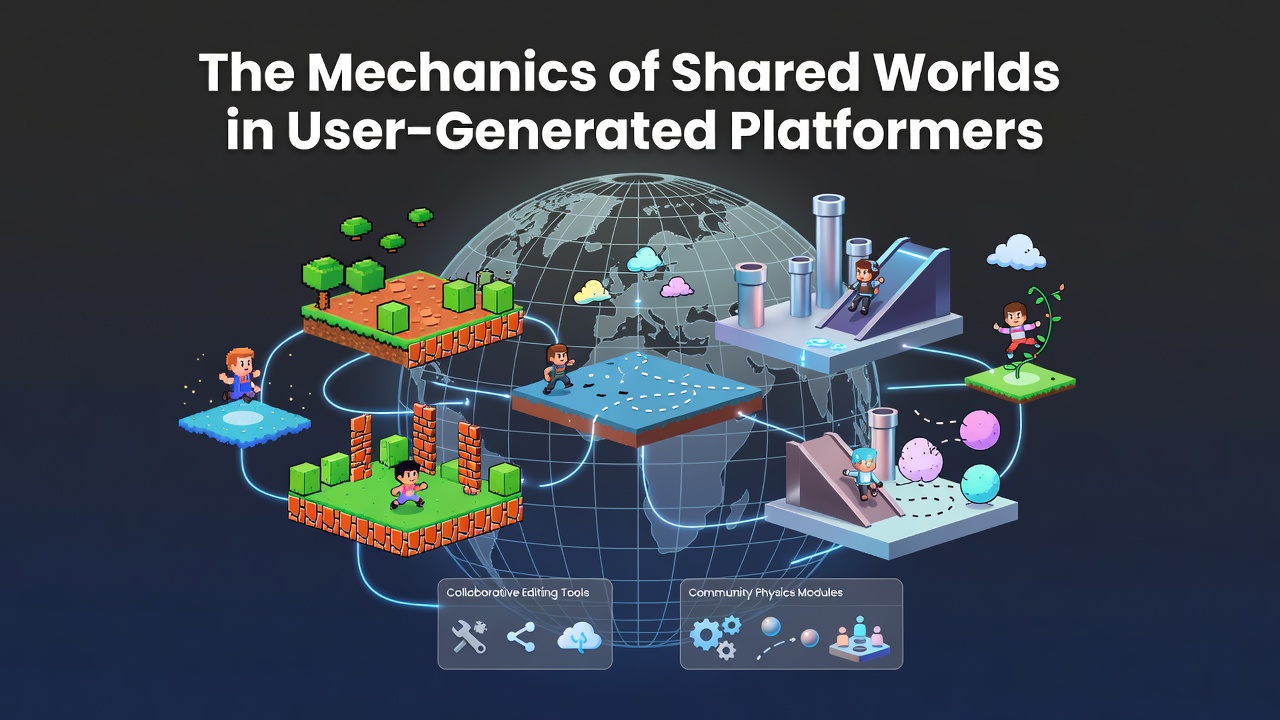
Shared worlds in user-generated platformers rely on systems that allow multiple players to contribute content while maintaining a consistent environment across sessions, and these setups combine server-side persistence with client-side rendering to handle real-time interactions. Platforms such as Roblox and Minecraft integrate these features through layered architectures where user creations become part of a larger ecosystem that updates dynamically.
Core Synchronization Methods
Engineers design synchronization protocols that track changes to objects, terrain, and player positions, then distribute those updates across connected instances using techniques like delta compression and predictive algorithms. Research from the University of California indicates that these methods reduce latency by prioritizing essential data packets, which keeps worlds stable even when thousands of edits occur simultaneously.
Users place blocks, scripts, and triggers that other participants encounter in the same sequence, and the system resolves conflicts through authority hierarchies where server rules override local modifications. This approach prevents desyncs that could otherwise fragment the experience, and data from industry reports show average resolution times under 50 milliseconds in optimized setups.
Persistence and Version Control
Worlds store modifications in distributed databases that log every addition or alteration with timestamps and contributor identifiers, allowing rollback when issues arise. Observers note that this structure supports long-term evolution because older versions remain accessible for comparison, while active branches merge through automated conflict detection tools.
Procedural elements often blend with manual creations to fill gaps, such as terrain generation algorithms that adapt to user-built structures without overwriting them. As of August 2026, several platforms have expanded these tools with improved AI-assisted merging, which streamlines how new content integrates into existing shared spaces.
Moderation and Access Layers
Access controls determine who can edit specific zones, using role-based permissions that range from full creator rights to spectator modes. Studies from European research institutions reveal that granular permission systems lower disruptive incidents by up to 40 percent in large communities, since they limit the reach of individual actions.
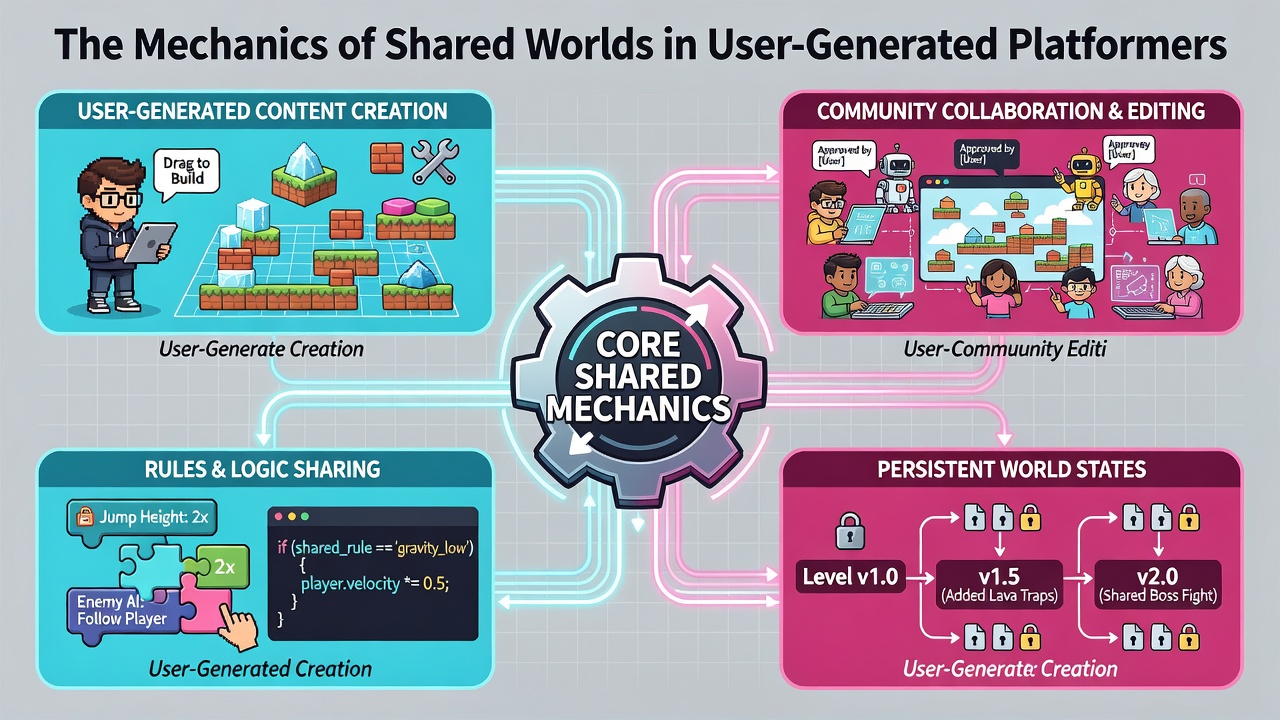
Automated filters scan uploads for prohibited elements before they enter the shared pool, and human review teams handle edge cases that algorithms flag. The Entertainment Software Association reports that these combined layers maintain platform stability while supporting millions of concurrent contributions each month.
Scalability Challenges and Solutions
Large shared worlds face load balancing demands when player density spikes in popular areas, prompting developers to shard regions or implement dynamic instance splitting. Experts have observed that hybrid cloud architectures handle these peaks effectively by allocating temporary resources without interrupting ongoing sessions.
Network code optimizes for variable connection qualities, and compression techniques ensure that even mobile users participate without major lag. Figures from global gaming associations indicate that optimized shared systems now support cross-platform play with consistent performance metrics across devices.
Conclusion
The mechanics behind shared worlds in user-generated platformers continue to evolve through refinements in synchronization, persistence, and moderation that enable collaborative creativity at scale. These systems demonstrate how technical choices directly shape the possibilities available to creators and players alike.