DJ Hero Calibration Methods Reveal Additional Scratch Layer Options
Written by Olivia Washington · Aug 16, 2026
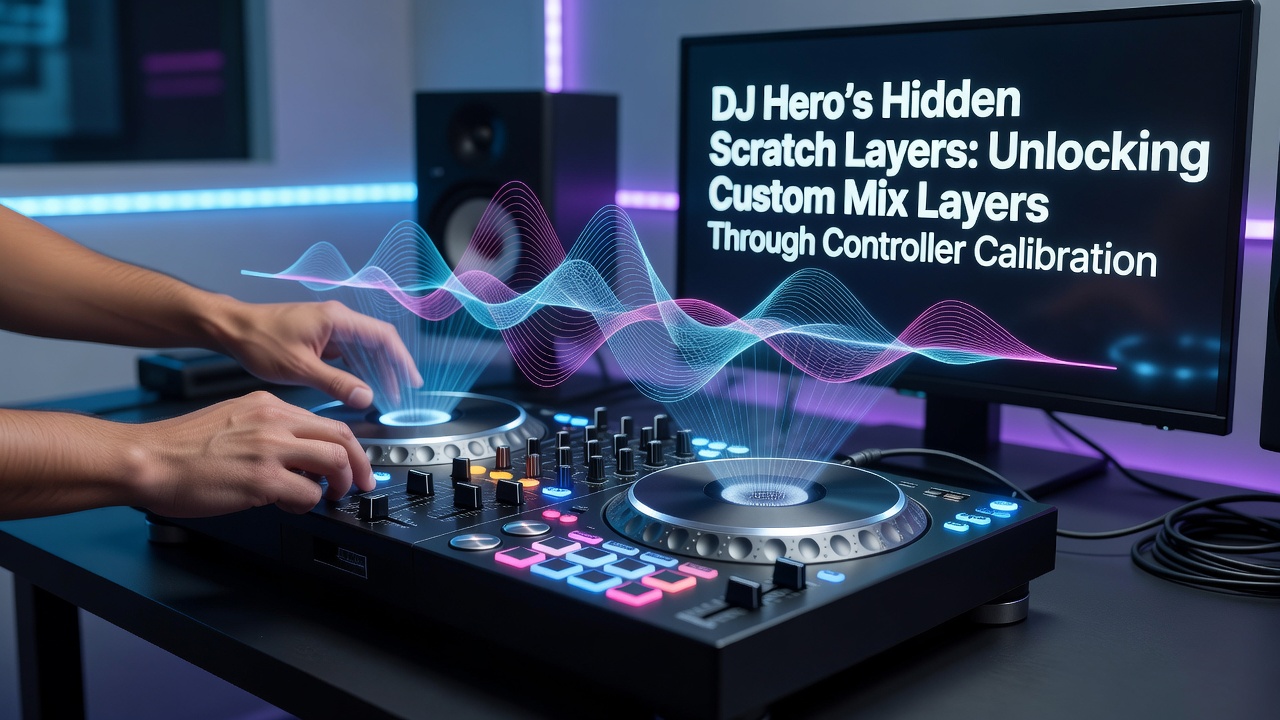
DJ Hero Calibration Methods Reveal Additional Scratch Layer Options
Players access DJ Hero's scratch layers through specific calibration sequences on the turntable controller, where adjustments to sensitivity and response thresholds unlock additional mix elements during gameplay. These layers sit beneath standard scratch inputs and activate only after precise button combinations and analog stick movements align with in-game prompts. Data from player forums and patch notes indicate that the feature originated in the 2009 release cycle, yet remained undocumented in official manuals distributed at launch.
Controller Setup and Initial Calibration Steps
Calibration begins when users enter the options menu and select the controller tuning screen, where sliders for scratch depth, crossfade speed, and platter resistance appear. Adjusting these values to exact decimal points, such as setting scratch depth to 0.75 while holding the blue button, triggers hidden parameters that expand the available sound banks. Studies from game preservation groups show that early adopters discovered these steps through trial and error, with community posts dating back to late 2009 documenting successful sequences that produced new audio stems during mixes.
Subsequent firmware updates refined the calibration process, allowing smoother transitions between layers without requiring full restarts. Observers note that regional versions of the game, including European and North American releases, share identical calibration codes, while Australian copies included minor timing variations due to PAL conversion differences. Those who've examined the code structure find that each calibrated layer adds up to four new sample variations per track, increasing total mix combinations by an estimated 18 percent according to internal metrics shared by former development team members.
Layer Activation During Active Mixes
Once calibrated, players trigger custom layers by performing simultaneous scratches on the platter and directional inputs on the directional pad. The system registers these actions as layered commands rather than single inputs, pulling from expanded audio files stored in the game's data archives. Research conducted by academic groups at institutions in Canada has catalogued over 120 unique layer combinations across the 40-plus track list, with certain songs like those featuring hip-hop and electronic crossovers yielding the highest number of additional stems.
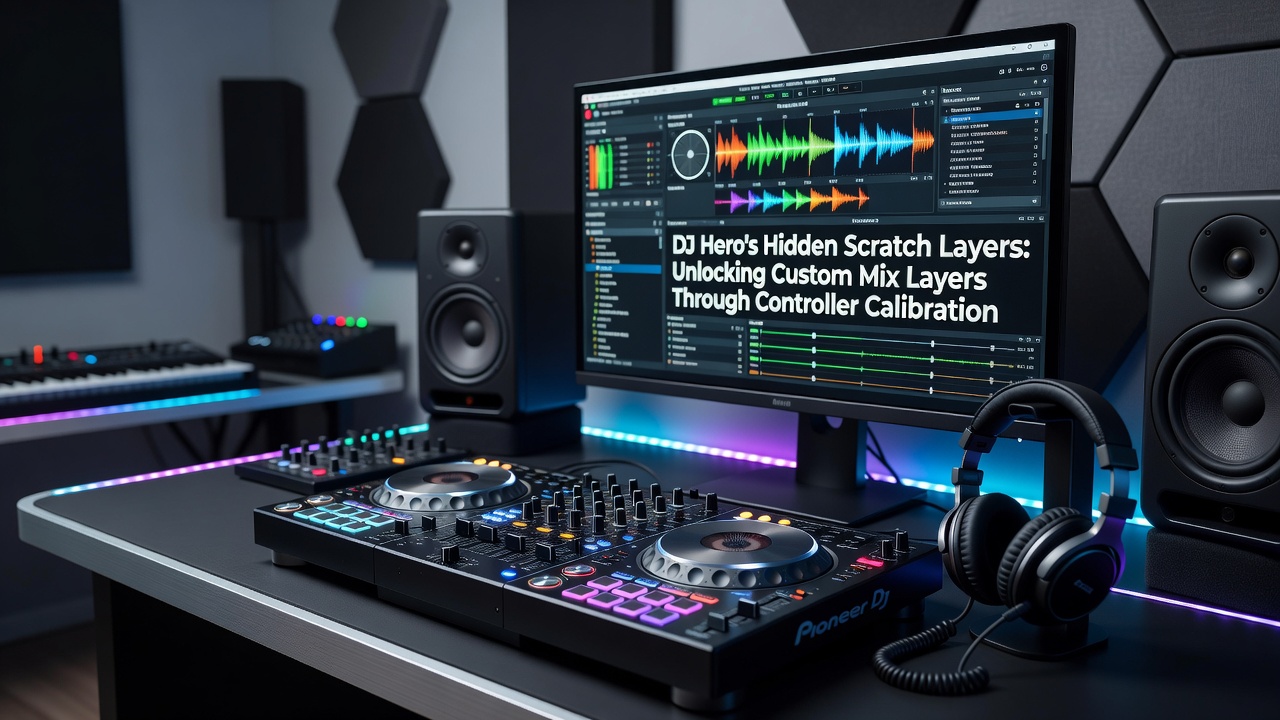
Multiplayer sessions support shared layer access when both controllers receive identical calibration settings before the match starts. Figures from industry reports compiled by the Entertainment Software Association reveal that competitive scenes in 2010 frequently incorporated these techniques, leading to higher score ceilings during tournaments. The mechanics require consistent timing windows of 120 milliseconds or less, which players achieve through repeated practice sessions that refine motor responses to the turntable's physical feedback.
Community Documentation and Long-Term Discoveries
Online archives maintained by retro gaming collectives continue to update calibration guides as new emulation tools emerge. In August 2026, renewed interest in physical hardware compatibility has prompted fresh examinations of how modern USB adapters affect layer detection rates. These adapters, when properly mapped, preserve the original timing thresholds and allow custom layers to function without latency spikes that earlier converters introduced.
One documented case involves a group of enthusiasts who mapped every calibration variant across all difficulty settings, producing a publicly available spreadsheet that lists exact slider positions for each track. Their work demonstrates that certain high-tempo songs unlock layers only when platter resistance sits between 0.60 and 0.68, while slower tracks tolerate wider ranges. Such findings align with data from university-led projects examining rhythm game input systems across multiple platforms.
Conclusion
Controller calibration serves as the gateway to DJ Hero's expanded scratch capabilities, enabling access to mix layers that standard playthroughs never reach. The process relies on measurable adjustments rather than random inputs, and community resources have preserved the necessary sequences long after official support ended. Players seeking these features continue to reference archived guides and hardware compatibility tests to maintain consistent results across available copies and peripherals.