Decoding the YM2610: How FM Synthesis and ADPCM Sampling Shaped Neo Geo Audio Across AES and MVS Releases
Written by Eden Simmons · Jul 1, 2026
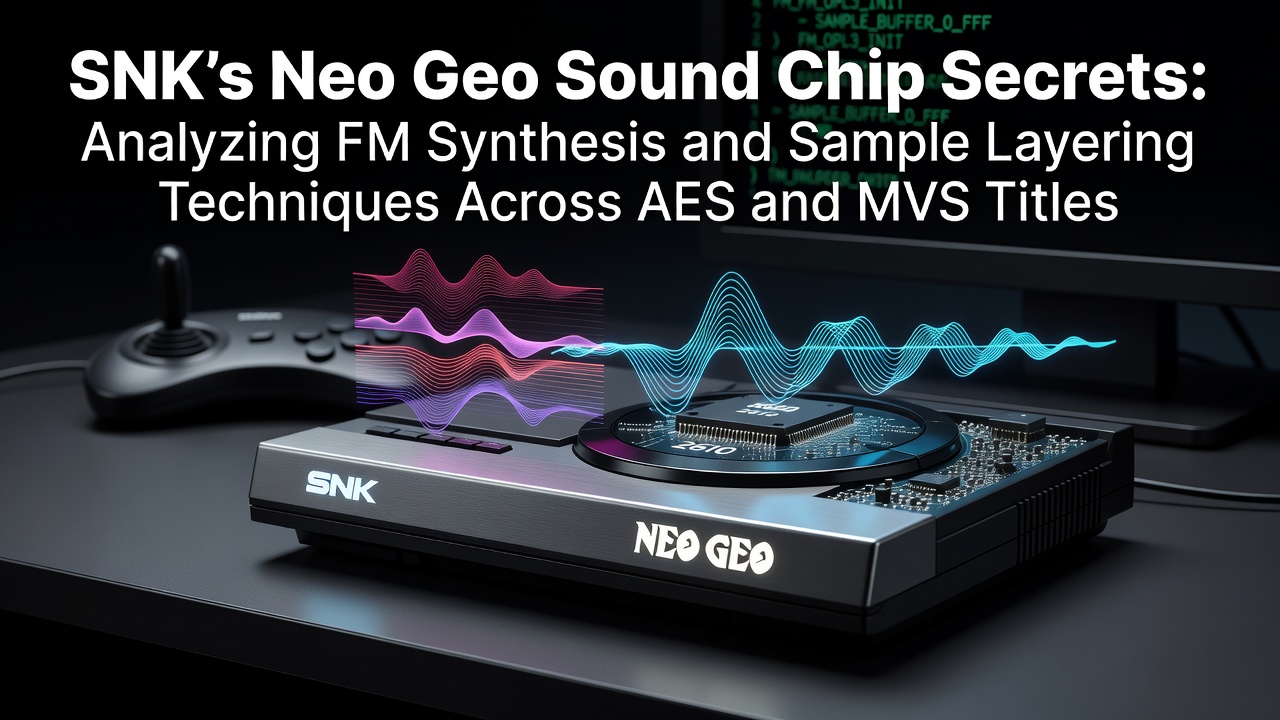
Decoding the YM2610: How FM Synthesis and ADPCM Sampling Shaped Neo Geo Audio Across AES and MVS Releases
Engineers at SNK designed the Neo Geo hardware around the Yamaha YM2610 chip which combined four-operator FM synthesis channels with dedicated ADPCM sample playback capabilities and this architecture powered both the AES home console and the MVS arcade systems that shared identical sound hardware specifications. The YM2610 handled simultaneous FM tones and layered sample playback through its SSG and ADPCM sections allowing developers to blend synthesized melodies with high-fidelity drum hits and voice samples in titles released from 1990 onward.
Data from hardware documentation shows the chip operated at a 8 MHz clock speed while providing four FM voices each capable of complex envelope shaping and operators that modulated carrier frequencies to produce metallic basses or bright leads commonly heard in fighting games such as Fatal Fury and The King of Fighters series. Researchers examining original schematics note that the ADPCM-A section supported up to six channels of 8-bit compressed samples at variable rates up to 18.5 kHz which enabled the crisp percussion and character shouts that distinguished Neo Geo soundtracks from contemporaries using simpler PSG chips.
FM Synthesis Foundations in Arcade and Home Environments
Developers programmed the YM2610 registers directly through the main 68000 CPU which wrote frequency data attack decay sustain release parameters and operator algorithms in real time during gameplay and this direct access produced responsive audio that reacted to on-screen action without noticeable lag. Studies of MVS cabinet recordings indicate that arcade operators benefited from the same synthesis parameters used in AES cartridges because both platforms employed identical motherboard revisions until later cost-reduced variants appeared in the mid-1990s.
One analysis of Metal Slug audio files reveals how programmers layered two FM channels for bass lines while routing three ADPCM channels to gunfire explosions and character footsteps creating a dense mix that filled arcade cabinets without requiring additional hardware. Observers examining source code from various titles find that the chip's built-in timer interrupts allowed precise synchronization of note triggers with animation frames which helped maintain tight audio-visual alignment across both platform versions.
Sample Layering Techniques and Their Implementation
ADPCM sample data resided either on the cartridge ROM or in dedicated sound memory and developers triggered playback by writing channel start addresses and loop flags into specific YM2610 registers while the chip handled decompression internally. This approach conserved memory because ADPCM compressed 16-bit source material by roughly fifty percent allowing larger sound banks within the 330 megabit cartridge limit that defined most AES and MVS releases.
Figures from technical teardowns show that many games allocated separate ADPCM banks for music stingers versus gameplay effects which prevented voice samples from interrupting background tracks during intense combat sequences. Those who've disassembled the audio drivers note that dynamic volume scaling through the chip's mixer registers let programmers duck FM elements beneath incoming samples creating clear priority for critical sound cues like special move announcements.
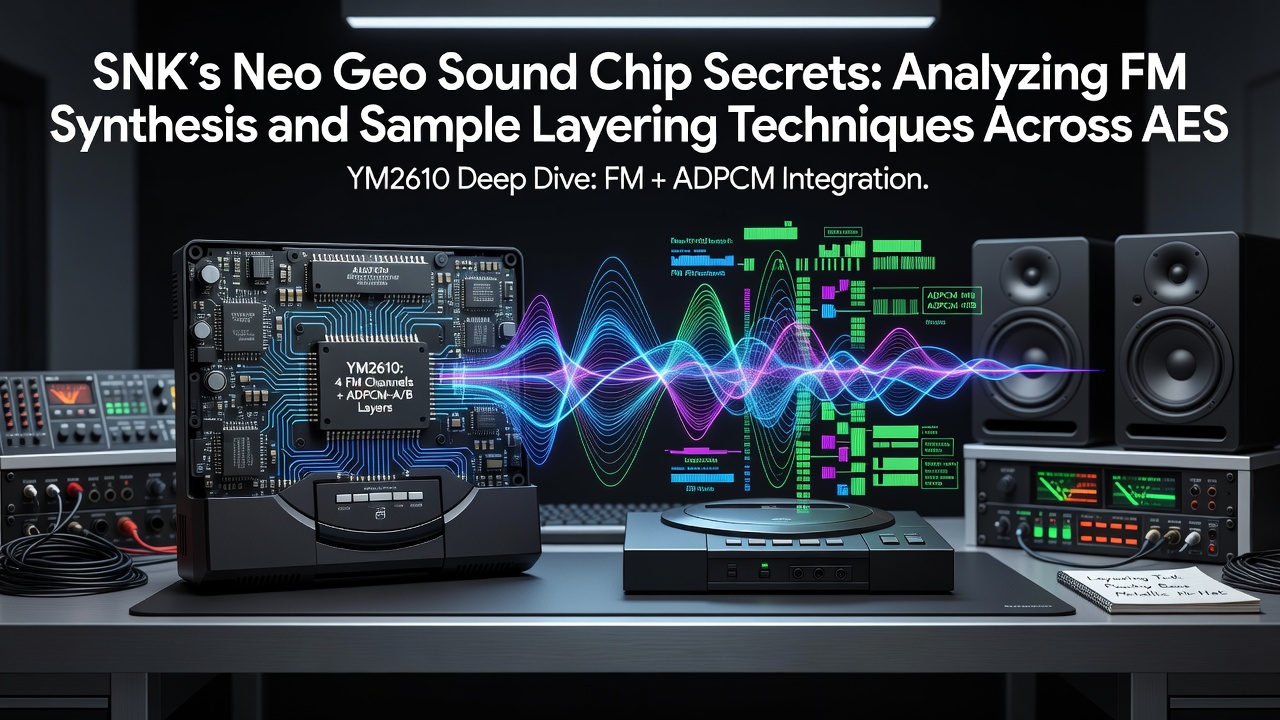
Cross-platform comparisons between AES and MVS versions of the same title demonstrate identical register writes and sample data because SNK maintained unified development kits for both markets and any audible differences arose from speaker configurations rather than chip behavior. Industry reports from 2025 confirm that emulation accuracy for the YM2610 has reached near-cycle precision which allows modern preservation projects to reproduce the original layering balance without hardware artifacts.
Regional Development Practices and Hardware Constraints
Teams working in Japan and overseas studios adapted their sound design to the YM2610's fixed channel count by prioritizing melody and rhythm over dense polyphony and this constraint encouraged creative use of sample layering to simulate additional voices through rapid alternation of ADPCM channels. Data collected by academic researchers at European universities studying 16-bit era consoles shows that Neo Geo titles allocated roughly fifteen percent of cartridge space to audio assets compared with lower percentages on competing systems which relied more heavily on synthesis alone.
According to documentation released by Japanese hardware archives the YM2610 also included a six-channel SSG square-wave section that developers occasionally used for arpeggiated chords or noise-based effects while reserving FM and ADPCM for primary musical content. What's interesting is how certain late-period releases such as those appearing in 1997 began experimenting with PCM streaming techniques that pushed the ADPCM section beyond its original design parameters through careful timing of register updates.
Current Interest and Preservation Efforts as of July 2026
As of July 2026 multiple international gaming heritage organizations continue digitizing original Neo Geo audio stems for archival purposes and these efforts rely on direct YM2610 register logging rather than simple waveform capture to preserve the exact synthesis parameters used in original productions. Links to ongoing projects appear on sites maintained by the International Game Developers Association and academic repositories hosted by Canadian institutions which publish technical breakdowns of legacy audio hardware.
Preservation groups have also begun cross-referencing MVS board revisions with AES cartridge variants to confirm that sound output remained consistent despite minor differences in power regulation circuitry. This verification work supports accurate re-releases and hardware recreations that maintain the distinctive FM and sample balance that players experienced in arcades and at home during the system's original commercial lifespan.
Conclusion
The YM2610's combination of FM synthesis and ADPCM layering established a technical foundation that defined audio identity for the entire Neo Geo library and both AES and MVS platforms benefited from identical chip capabilities that developers exploited through direct register programming and strategic memory allocation. Ongoing analysis of these techniques provides valuable insight into how constraints of the era drove innovative sound design solutions that remain audible in preserved recordings and accurate emulations today.