Blueprints for Staff Optimization in Kairosoft's Simulation Games
Written by Olivia Washington · Jul 19, 2026
Blueprints for Staff Optimization in Kairosoft's Simulation Games
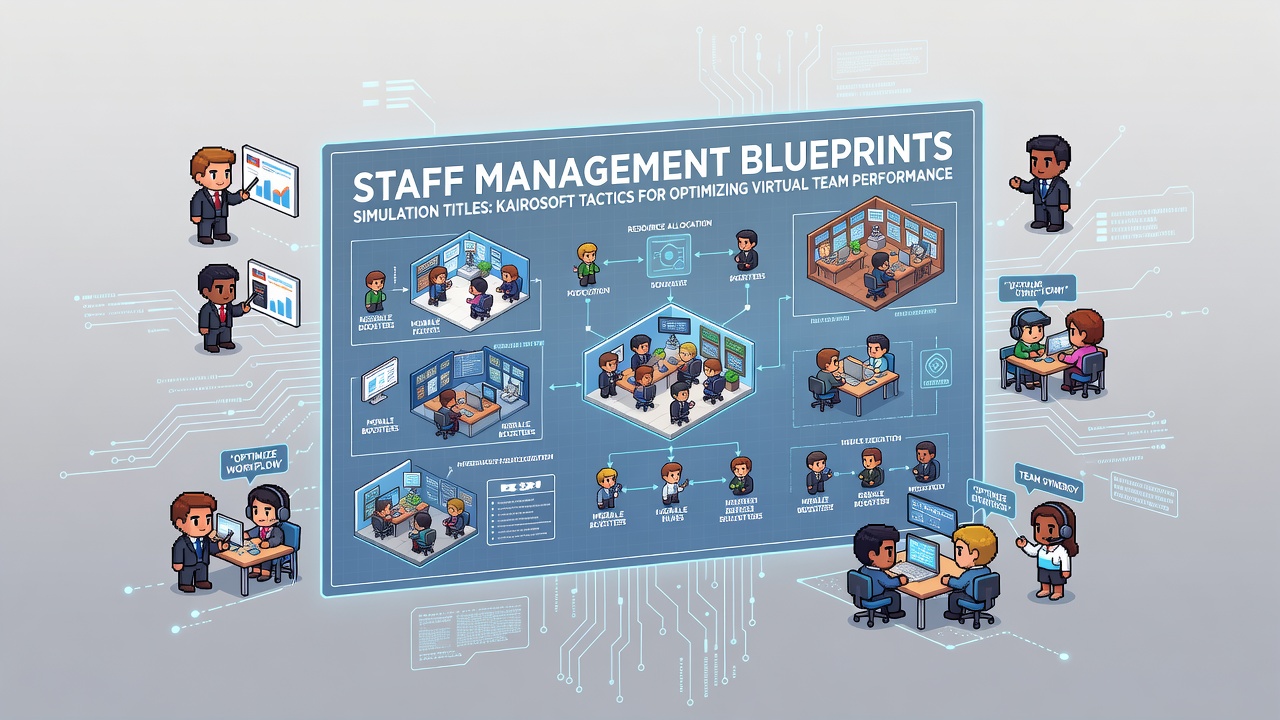
Staff management in Kairosoft simulation titles revolves around assigning employees to projects based on their core attributes such as programming skill, design aptitude, and marketing ability while tracking experience gains over multiple development cycles. These games model team dynamics through numerical stats that improve when staff complete tasks successfully and players balance workloads to prevent burnout indicators from appearing in character profiles.
Core Mechanics of Virtual Team Building
Players recruit staff through job boards or scouting events where candidates arrive with preset stat distributions that determine suitability for specific roles like coding, art, or sound design. Research from the Entertainment Software Association shows that simulation games like these encourage strategic resource allocation similar to real project management scenarios in the gaming industry. Staff members gain levels after successful releases which unlock new abilities and increase their contribution multipliers to project quality meters.
Training sessions become available at certain milestones and allow targeted stat boosts through mini-games or dedicated facility upgrades. Observers note that effective blueprints involve cycling employees between high-pressure launches and lighter support tasks to maintain steady growth across the entire roster rather than focusing on a single star performer.
Project Assignment Strategies Across Titles
Different Kairosoft entries adapt these systems slightly yet retain the same foundational approach where genre selection influences which staff stats matter most. In titles centered on game development the emphasis falls on balancing technical and creative personnel while restaurant simulations shift priority toward service and culinary stats. Data from industry reports indicates that players who rotate assignments achieve higher overall scores because diversified experience prevents stat imbalances that cap project potential.
Facilities play a supporting role by providing passive bonuses when staff are assigned to matching departments and these structures require both initial investment and ongoing maintenance through generated revenue. What's interesting is how the games track compatibility between team members through hidden affinity values that surface during collaborative events and can accelerate or hinder progress depending on the combination chosen.
Performance Tracking and Adjustment Tactics
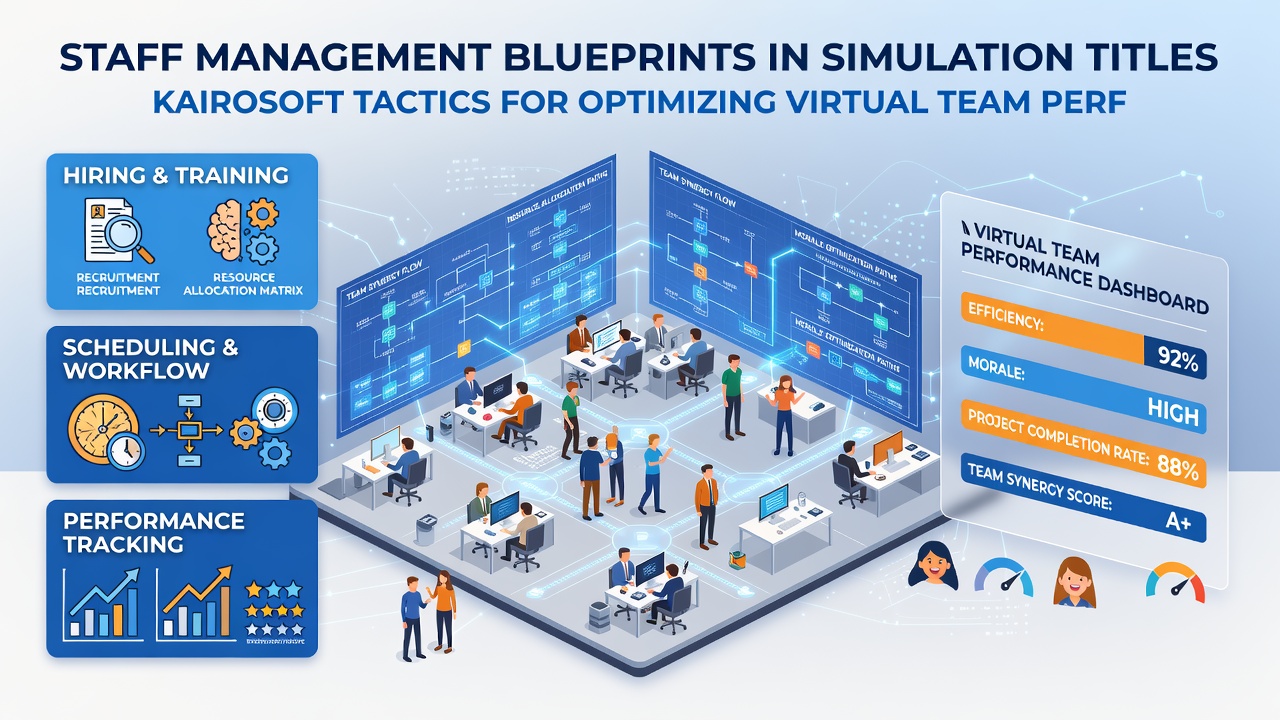
Performance metrics appear after each release through sales figures and review breakdowns that highlight which staff contributions drove success or created bottlenecks. Those who've studied these systems know that reviewing individual logs after every project reveals patterns such as certain employees excelling in sequels while others perform better on original concepts. Adjustments follow directly from this data with players reassigning roles or investing in targeted training to close identified gaps before the next cycle begins.
Events and random occurrences add layers where staff might request raises or threaten to leave if overworked and these situations require quick decisions that affect long-term retention rates. According to a University of Tokyo study on digital game design patterns, such mechanics mirror real-world team management pressures and reward proactive monitoring of morale indicators built into the simulation.
Long-Term Roster Development
Seasoned players expand beyond initial hires by scouting at conventions or through referrals that introduce specialists with rare stat combinations. Building a balanced team takes multiple in-game years because each new addition starts at lower levels and needs integration time before reaching peak efficiency. July 2026 updates to several Kairosoft mobile titles introduced refined scouting filters that make locating complementary staff more efficient while preserving the core challenge of integration and growth.
Advanced tactics include creating mentorship pairs where higher-level employees accelerate training for newcomers through shared project assignments. This approach compounds experience gains across the roster and reduces the frequency of failed launches that occur when underprepared teams tackle ambitious scopes.
Conclusion
Kairosoft simulation titles present staff management as an interconnected system where recruitment, assignment, training, and monitoring all feed into sustained performance improvements. Players who apply consistent blueprints across multiple releases observe compounding benefits as their virtual teams mature into reliable units capable of handling increasingly complex projects. These mechanics continue to evolve with platform updates yet maintain the same emphasis on data-driven decisions and balanced development that define the series.