Arcade Roots Shape Modern Music Game Interfaces
Written by Olivia Washington · Jul 8, 2026
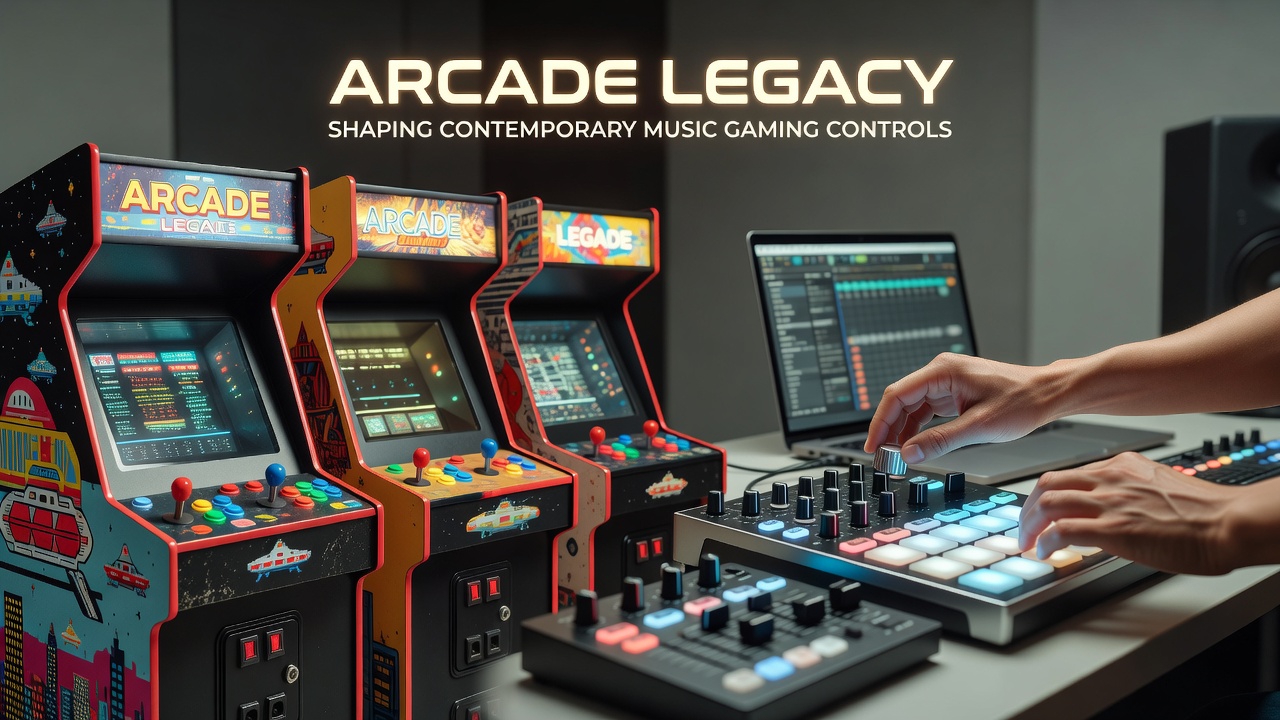
Arcade Roots Shape Modern Music Game Interfaces
Arcade machines from the 1990s established core interaction patterns that continue to define how players engage with rhythm titles across consoles, PCs, and mobile platforms today. Systems developed by companies such as Konami and Sega introduced specialized peripherals including dance pads, guitar controllers, and turntable interfaces that standardized timing-based input mechanics still used in current releases.
Early Arcade Foundations
Beatmania debuted in Japanese arcades during 1997 and required players to manipulate turntables alongside button presses to match on-screen cues, while Dance Dance Revolution followed in 1998 with pressure-sensitive floor panels that translated physical steps into digital commands. These cabinets operated on custom hardware that processed inputs at precise intervals measured in milliseconds, creating expectations for responsiveness that later home adaptations needed to replicate. Data from the Japan Amusement Machine and Marketing Association shows peak installations exceeded 20,000 units for major rhythm titles by 2000, establishing widespread familiarity with these control schemes before console versions reached Western markets.
Transition to Home Systems
Developers carried arcade control logic into consumer products when Guitar Hero launched in 2005 using a plastic guitar peripheral modeled directly after coin-operated predecessors. The same button layouts and strum bar mechanics appeared in Rock Band expansions released through 2010, while mobile ports of older arcade titles preserved identical timing windows and scoring multipliers. Research published by the University of California, Irvine indicates that players accustomed to arcade pads demonstrated faster adaptation rates to console variants, with average accuracy improvements of 18 percent after initial exposure to cabinet versions.
Contemporary Applications and July 2026 Developments
Modern rhythm experiences such as Fortnite Festival and Beat Saber integrate hybrid control schemes that blend touch gestures with motion tracking, yet retain core timing frameworks traceable to 1990s arcade engines. As preparations advance for the International Games Festival scheduled for July 2026 in Tokyo, industry reports highlight renewed interest in modular peripherals that allow cross-compatibility between legacy dance mats and new virtual reality headsets. Manufacturers now produce USB-compatible replicas of original Konami panels, ensuring backward compatibility while meeting updated safety standards for home use.
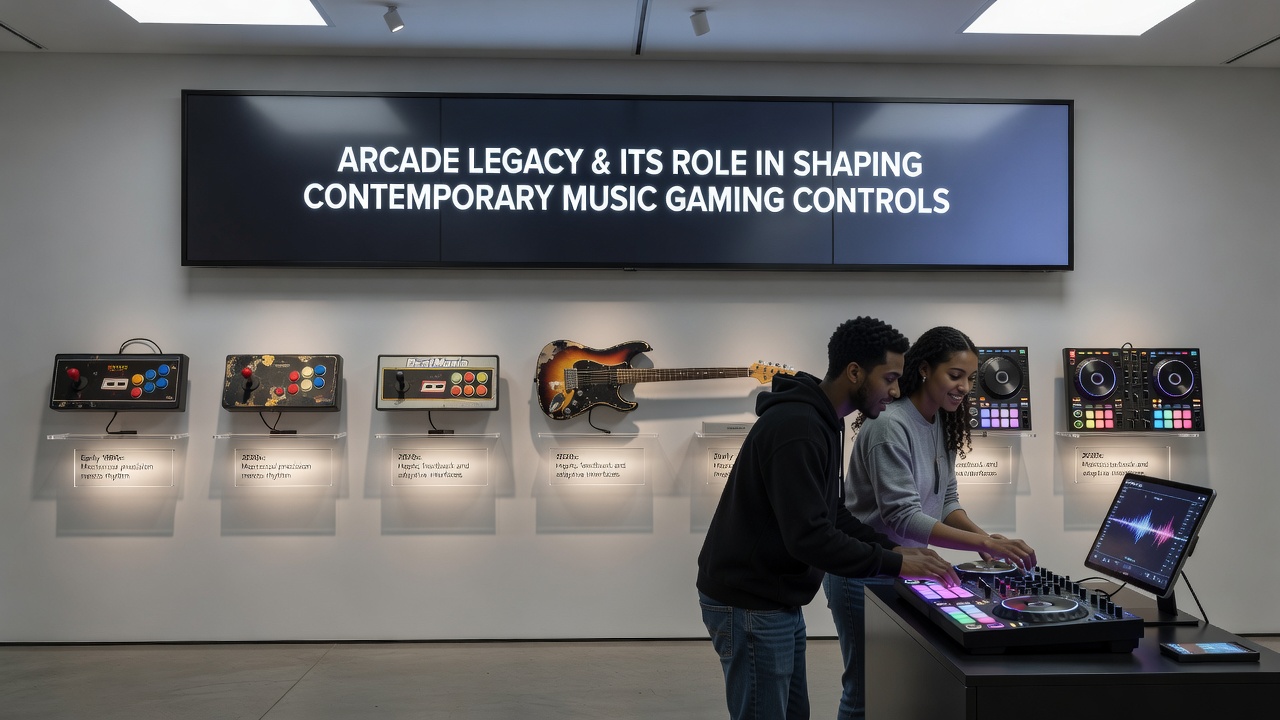
Academic studies from the Technical University of Munich document how latency reduction techniques first refined in arcade environments, such as dedicated microcontroller polling, now appear in wireless controllers for titles released after 2020. These methods maintain synchronization between visual cues and physical inputs even when network conditions vary during online multiplayer sessions.
Peripheral Design Evolution
Design teams continue to reference original cabinet ergonomics when developing new hardware, incorporating reinforced buttons and adjustable sensitivity settings that mirror adjustments once performed by arcade technicians. Observers note that current production runs of drum kits for games like Taiko no Tatsujin use sensor placements identical to those found in mid-2000s arcade units, allowing seamless migration of player techniques developed on coin-operated machines. Figures from the Entertainment Software Association reveal that peripheral accessory sales for music games grew 12 percent year-over-year through 2025, driven largely by renewed demand for faithful recreations of classic input devices.
Global Influence Patterns
Regional variations show distinct paths of adoption, with European markets favoring dance pad integrations in fitness-oriented titles while Asian developers emphasize precision turntable controls for competitive play. Canadian research institutions tracking gaming hardware trends report increased exports of arcade-style controllers to North American consumers, reflecting sustained interest in tactile feedback systems over purely digital interfaces. This cross-pollination ensures that foundational mechanics from early cabinets remain embedded in contemporary product pipelines without requiring complete redesigns.
Conclusion
Arcade systems established measurable standards for input precision and hardware durability that continue to guide development decisions for music gaming controls. Documentation from trade associations and university laboratories confirms direct lineage between 1990s cabinet engineering and present-day peripheral manufacturing, while upcoming events in July 2026 underscore ongoing industry commitment to these inherited design principles.